


How to Race Challenge Roth 2026


Challenge Roth 2026 is one of the most emotional full-distance triathlons in the world, and it rewards athletes who arrive with a clear plan. The race takes place in Bavaria on 5 July 2026 and covers 3.8 km of swimming, 180 km of cycling and 42.2 km of running. Roth is fast, loud and demanding. The goal is not only to be aerodynamic on the bike, but to stay calm enough to eat, drink, steer and run well after T2.
Roth is a full-distance triathlon held in the Roth district of Bavaria. The race is known for its Main-Danube Canal swim start, the two-lap bike course through villages and fields, the Solar Hill crowd tunnel and the stadium finish. It attracts elite athletes, experienced age groupers, relay teams and ambitious first timers who want a long-distance race with a festival atmosphere.
Within the long-course calendar, Roth sits in a special place because it combines speed, history and crowd energy. It is not a quiet time trial. The course gives you space to ride efficiently, but the noise from the roadside can push you above target if you do not control effort.
| Race item | Key detail |
|---|---|
| Distance | 3.8 km swim, 180 km bike, 42.2 km run |
| Race type | Full-distance triathlon |
| Host area | Roth district, Bavaria, Germany |
| Athlete profile | Elite, age group, relay and debut full-distance athletes |
| Main race character | Fast, emotional, crowded and execution focused |
Race day is Sunday 5 July 2026. The event hub is Roth, while the swim starts at the Main-Danube Canal near Hilpoltstein. Transition 2 and the finish experience are in Roth, with the Triathlon Park and stadium acting as the heart of race week.
For international travel, the most practical airports are Nuremberg, Munich and Frankfurt. Nuremberg is the closest option for many European routes, while Munich and Frankfurt can be useful for long-haul connections. From the airport, athletes usually combine train, rental car, transfer service or a hotel shuttle. On race day, official shuttles and road closures matter more than normal map estimates, so build extra time into every movement.
If you stay outside Roth, choose accommodation that makes bike storage, early breakfast and race-morning transport simple. A calm arrival is worth more than a slightly shorter drive that depends on closed roads.
The swim is 3.8 km in the Main-Danube Canal. The water is protected compared with a sea swim, so waves are usually not the main issue. The challenge is rhythm, positioning and staying relaxed in a long, straight environment. Water temperature can vary, and previous race-week updates have shown canal temperatures high enough to make wetsuit decisions important. Treat wetsuit status as a race-week confirmation, not an assumption.
The start is one of the most memorable parts of the day. Because the banks and bridge fill early, athletes and supporters should arrive with more time than they think they need.
The bike course is 180 km across the Roth district on a two-lap route. It is often described as fast, but fast does not mean flat or passive. You need stable power on open sections, patience on climbs and control through village roads, turns and crowd-heavy areas.
Solar Hill is the iconic moment, but it is also a pacing trap. The crowd can make the climb feel easier than it is. Greding and Kalvarienberg are harder places to stay honest because fatigue and gradient combine. A good bike split in Roth comes from keeping the cockpit quiet, staying aero where the road allows it and avoiding spikes that make the marathon expensive.

The marathon covers 42.2 km with varied sections around the canal, Roth marketplace, Büchenbach and the final approach to the stadium. The profile is generally manageable, but the psychological load is real. Canal sections can feel steady and exposed, while the town sections give more crowd energy and a stronger sense of progress.
Most athletes should think of the run as a controlled build. The first kilometres are for nutrition, posture and settling. The hardest part often arrives before the final stadium energy, so save enough focus to run well when the course becomes mentally narrow.
July in Roth is usually warm rather than tropical. Historical climate averages put the month around 24 °C for daily highs and 12 °C for lows. The area also has a meaningful chance of rain in July, while humidity discomfort is usually low. Wind is not normally extreme, but open bike sections can still punish a position that feels unstable.
These conditions make hydration and pacing especially important. A cool morning can hide how much fluid you are losing later, and a wet road can change braking and cornering confidence. Prepare for sun, rain and wind rather than planning around one perfect forecast.
The best race strategy is controlled confidence. Swim with space when possible, exit without panic, and use the first bike kilometres to lower your breathing before chasing speed. On the bike, avoid turning every cheering section into an attack. Hold a power or effort range that lets you stay aero, keep cadence smooth and reach bottles without breaking posture.
Nutrition should start early. Official information lists bike aid stations at roughly 17.5 km intervals and run aid stations at roughly 1.5 km intervals, which makes the course supportive, but you still need your own timing plan. The common mistake is waiting until energy drops before reacting. Roth rewards athletes who eat before they feel empty and drink before they feel thirsty.
Your pacing should match the terrain and the atmosphere. In the swim, keep the first minutes smooth and find a line that protects your stroke. On the bike, conserve energy through climbs and crowd sections, then use the faster roads to settle into aerodynamic efficiency. On the run, protect the first half so you can still make decisions in the final 12 km.
The bike is where many races are won or lost for age group athletes. A position that saves watts but forces you to sit up every few minutes is not efficient. We prefer a posture that you can hold repeatedly, because a sustainable aero position is faster than an aggressive position that collapses before T2.
Roth is a strong course for aerodynamics because the bike leg has long sections where a clean position pays back. The key is not only lowering frontal area. You need a cockpit that supports breathing, shoulder relaxation, bottle access and steering when the course becomes busy.
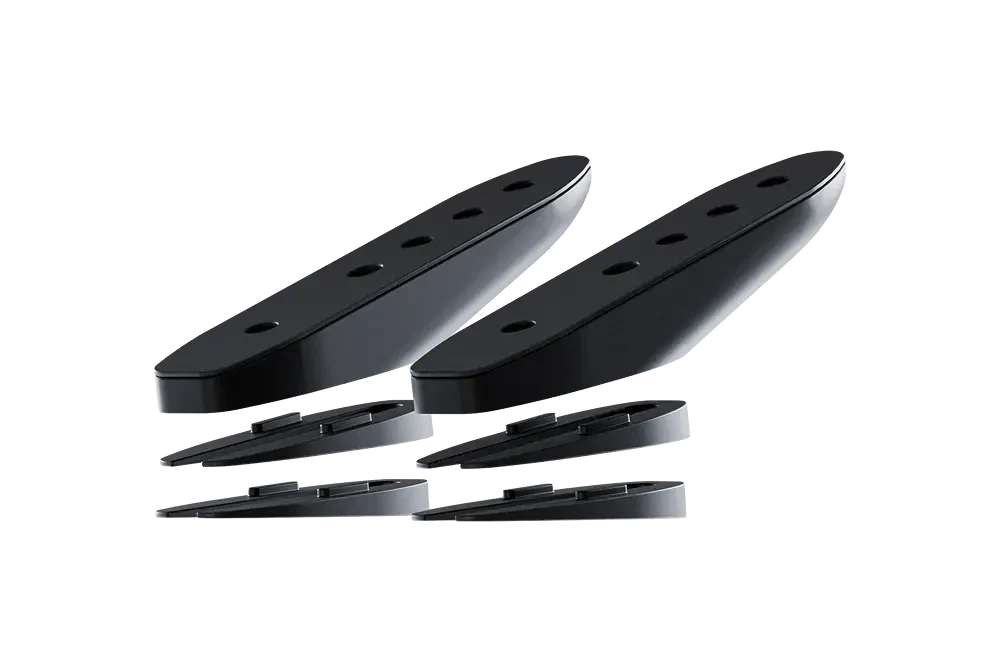
At Tetsuo, we build around the idea that comfort and speed must work together. Masamune is the route for athletes who want a precise long-course system with adjustable wrist angle, modular integration and a carbon body. TAO X3 is a cleaner support platform when the priority is comfort-led stability with a more direct setup path. For controlled tilt and reach changes, K-Wedges help you avoid improvised stacks and keep fit changes repeatable.
Before race week, validate the position outdoors. You should be able to drink, look ahead, shift pressure through the pads and ride through gusts without lifting the chest every time the road changes.
A triathlon bike or well-set long-course aero setup is the natural choice. The bike should be fast, but also easy to control in crowds, villages and variable weather. Choose wheels that you can handle if wind rises, tyres that you trust on wet roads and a helmet that stays comfortable in aero without forcing the neck up.
| Equipment area | Recommended approach |
|---|---|
| Cockpit | Stable aerobar system with repeatable stack, reach and tilt |
| Hydration | Front access that does not make you lift your chest |
| Storage | Simple nutrition layout with no loose parts |
| Fit hardware | Measured adjustment, torque checked and marked before travel |
| Race spares | Bolts, foam, pads, tools and small parts packed separately |
For hydration, read our aerobar hydration setup guide and consider the Bottle holder + Bottle holder bar if you want a cleaner front-end capacity solution within our ecosystem.
The best zones depend on your priorities. Hilpoltstein keeps you close to the swim start area. Roth keeps you close to the finish, expo and T2. Nuremberg offers more hotel capacity, transport options and city services, but it adds more logistics on race morning. Smaller towns in the district can be calm, although you need to confirm access when roads begin to close.
For triathletes, the room matters as much as the address. Look for secure bike storage, early breakfast flexibility, space to assemble the bike, laundry options and easy parking or shuttle access. Book early, then reconfirm details closer to race week.
Keep food simple. In the final 48 hours, choose familiar carbohydrate sources, low-risk sauces and meals you can repeat without digestive surprises. Roth and Nuremberg give you enough options for rice, pasta, bread, potatoes, lean protein and breakfast basics, but race week is not the time to experiment.
For race morning, prepare breakfast in your room if your hotel cannot serve early enough. After the finish, recovery food should be easy to digest and available without a long walk. Supporters can also use the Triathlon Park and town areas, but athletes should avoid depending on a single restaurant booking after such a long day.

Keep pre-race training short and purposeful. For swimming, use official race-week guidance for legal and safe options. Do not assume you can swim in the canal whenever you want. For cycling, choose quiet roads or a short controlled section to test shifting, braking, bottle access and cockpit stability rather than riding too much of the course.
For running, use easy routes around Roth, the canal paths or hotel-accessible areas where you can keep the session low stress. The final week is not for building fitness. It is for confirming that your body, bike and equipment behave exactly as expected.
Race day movement in Roth needs planning because the swim, bike route, run route, shuttles, parking zones and road closures all interact. Official information notes that the Triathlon Park is about a 15-minute walk from Roth train station, with rail replacement service on race day between Roth and Hilpoltstein. Spectators are encouraged to use shuttles because parking and traffic change during the event.
Athletes should separate personal logistics from supporter logistics. Your job is to get to the start calmly. Their job is to choose one realistic route and avoid chasing too many points on the course. Solar Hill, T2, the canal and the stadium are all strong viewing options, but trying to see everything can create stress.
Pack the bike as if you will rebuild it without help. Mark pad position, extension angle, saddle height and bottle placement before travel. Photograph the cockpit from the side and front, then keep the images on your phone. Use a torque wrench when rebuilding and follow the relevant assembly documentation.
For mechanical reliability, our triathlon aerobars maintenance guide, compatibility page and assembly guide should be checked before the bike enters the travel case.
Supporters can make the trip easier if they plan around the race rather than around a normal city break. Roth town centre, the Triathlon Park, the canal areas and the course hot spots already create a full weekend. Nuremberg is useful for extra hotel capacity, restaurants, walks and a more urban base before or after race day.
During the race, supporters should prioritise shade, water, walking distance and shuttle timing. A good plan is to choose one early swim viewpoint, one bike hot spot, one run section and the stadium area. That gives enough emotion without turning the day into a transport problem.

Roth is competitive at the front and deeply emotional through the field. The event regularly brings thousands of individual athletes, relay teams, volunteers and spectators into the district. For elites, it is a stage where speed matters. For amateurs, it is a rare chance to race a full-distance course with crowd support that can feel close to a cycling classic on the bike and a town festival on the run.
That atmosphere is a gift, but it also changes judgement. Noise can make early power feel easy and late fatigue feel dramatic. The athletes who perform best are usually the ones who use the energy without letting it take control of the pacing plan.
The first mistake is over-riding the bike because the crowd makes everything feel possible. The second is ignoring nutrition until the second lap, when the cost arrives quickly. The third is building an aero setup that is fast in photos but hard to hold outside, especially when reaching for bottles or steering through busier sections.
Another mistake is underestimating logistics. Roth is friendly, but race day is not normal traffic. Confirm shuttle, parking and walking plans early. Finally, do not leave cockpit changes until travel week. Make the final position boring before you pack the bike. Boring is good when you are racing for hours.
Roth can be a strong first full-distance race for a well-prepared athlete because the atmosphere is supportive, the course is established and aid stations are frequent. The downside is demand. Entry is competitive, logistics are busy and the bike can tempt you into riding harder than planned.
The ideal first timer for Roth is patient, organised and comfortable riding in aero for long periods. If you need a low-noise race with minimal travel complexity, Roth may feel intense. If you want a full-distance debut that feels like a major sporting celebration, it can be unforgettable.
The race is scheduled for Sunday 5 July 2026 in the Roth district of Bavaria.
The race covers 3.8 km of swimming, 180 km of cycling and 42.2 km of running.
A stable aero setup that you can hold for hours works best. Prioritise repeatable fit, safe handling, clean hydration access and a cockpit that keeps your shoulders relaxed.

GETTING YOU FASTER
Configure your Masamune