


Ironman Vitoria Gasteiz 2026: full-distance race guide


Ironman Vitoria Gasteiz 2026 is a full-distance race built around control. The day starts with a freshwater swim in Ulibarri-Gamboa Lake, moves into a rolling 180.2 km bike course through Álava, and finishes with a flat city marathon in Vitoria-Gasteiz. For athletes, the attraction is clear: a fast profile, strong support, and enough structure to reward disciplined pacing rather than guesswork.
At Tetsuo, we look at this race through the cockpit. A course like this does not only ask for fitness. It asks for a position you can hold for hours, a hydration system you can reach without lifting your chest, and a setup that still feels quiet when the day stops feeling fresh. That is why this guide connects race facts, travel logistics, pacing, and equipment choices in one practical plan.
| Key point | What to know | Why it matters |
|---|---|---|
| Date | Sunday 12 July 2026 | Mid-summer conditions need a clear heat and hydration plan |
| Distance | 3.8 km swim, 180.2 km bike, 42.2 km run | Full-distance execution matters more than one strong segment |
| Bike profile | Rolling 2.5-loop course | Stable aero time and low power variability are decisive |
| Run profile | Flat four-loop city course | Pacing errors are visible early and costly late |
Ironman Vitoria Gasteiz 2026 is the full-distance triathlon held in Vitoria-Gasteiz, in the Basque Country of northern Spain. It follows the classic long-course format: 3.8 km of swimming, 180.2 km of cycling, and 42.2 km of running. The swim takes place outside the city at Landa, Transition 1 is also at Landa Provincial Park, Transition 2 is in the city centre, and the finish line is in Plaza España.
The event sits in a strong part of the European long-course calendar. It comes after the early-season races and before the late-summer championship focus, which makes it attractive for athletes who want a demanding but readable race profile. The official registration page also shows the 2026 general entry as sold out, which tells you something about demand and planning pressure.
The race suits experienced amateurs, age-group athletes chasing a clean performance, and prepared debutants who want their first full-distance day to be logistically understandable. It is not easy, because no full-distance race is easy. It is approachable because the course tells you what it wants: calm swimming, efficient cycling, and patient running.
Race day is Sunday 12 July 2026. Athlete registration is scheduled in Plaza España during race week, briefings are held at Palacio Europa, and the expo area is listed around Plaza de la Virgen Blanca. The start and Transition 1 are in Pantano de Landa, around 20 km from the centre, while Transition 2 is on Calle Olaguíbel and the finish line returns to Plaza España.
The closest airport is Vitoria Airport, also known as Foronda, about 8 km from the city. Bilbao Airport is often the broader international option, with bus connections toward Vitoria-Gasteiz. The city also has a central train station on Calle Eduardo Dato, which makes rail travel convenient if you are connecting from another Spanish city.
If you travel with a bike case, the simplest base is usually the city centre rather than the lake. Staying near Plaza España, Plaza de la Virgen Blanca, Calle Olaguíbel, or Avenida Gasteiz keeps registration, food, the finish area, and race-week errands within reach. For access to Landa, plan around official shuttles and confirmed race-week information rather than improvising on race morning.
The swim is a single-loop 3.8 km course in Ulibarri-Gamboa Lake, also known locally around Landa. It is freshwater, outside the city, and the official course description highlights drinking-quality water and a short run into transition. Conditions are usually calmer than a sea swim, but that does not mean the first segment should be rushed.
Use the swim to start the day under control. Sight early, avoid unnecessary contact, and build into your rhythm once the field stretches. The best swim here is not the one that feels heroic. It is the one that lets you stand up, move into Transition 1, and start the bike with your heart rate settled.

The bike course is 180.2 km over a rolling 2.5-loop route through Álava. It is not a mountain stage, but the terrain is not passive. Small rises, open roads, turns, and changing wind exposure can create a lot of hidden variability if you chase speed every time the course changes shape.
This is where a stable cockpit matters. A compact position that you can hold over long stretches will usually beat a lower position that forces you to sit up, drink late, or grip hard. If you are still refining your setup, use our triathlon aerobar measurements guide and aerobar position adjustment guide before race week, not during it.

The marathon is 42.2 km across four flat loops in the city centre, with the finish line in Plaza España. This format gives athletes repeated crowd energy and easy mental checkpoints, but it also exposes poor decisions. If you overbike, the four-loop structure makes that mistake obvious quickly.
Think of the run as a controlled progression. The first lap should feel almost too easy. The second lap confirms whether your bike effort was honest. The third lap is where nutrition, posture, and cooling become the real race. The final lap is where a patient athlete can still move well.

The official race page lists a high air temperature around 24°C, a low around 13°C, and an average water temperature around 21°C. Broader July climate averages near Vitoria-Gasteiz show mild mornings, warm afternoons, moderate humidity, and wind that can still matter on open bike sections.
This profile can be deceptive. Athletes often start the day feeling comfortable, then underestimate how much fluid and sodium they need as the bike and run warm up. A mild start does not remove the need for a hot-weather system. It simply gives you a better chance to execute that system before stress builds.
Wind is not usually the headline, but it can shape the ride. On a rolling course, small headwind sections make athletes push, and tailwind sections make them forget to eat. Keep feeding independent from emotion. Keep drinking independent from speed. Let the plan run in the background.
The best strategy is to make the day narrow. Swim without spikes, ride with low variability, and begin the run with restraint. This course rewards athletes who look almost boring for the first five hours. That is not a lack of ambition. It is how you protect the final third.
Nutrition should begin early on the bike. Do not wait until you feel hungry or thirsty. On a full-distance course, the signals arrive too late. Build a schedule that separates fluid intake, sodium, carbohydrate, and caffeine so one problem does not force you to change everything at once.
The most common error is mistaking a fast course for a forgiving one. Vitoria-Gasteiz can be quick, but speed comes from efficiency. If you ride every rise too hard, return bottles awkwardly, or sit up whenever the road changes, you spend energy that should be saved for the city marathon.

Start the swim at a pace you can repeat, not at the pace the group invites. During the bike, cap surges on the rolling sections and let the terrain breathe. You do not need the same speed everywhere. You need the same discipline everywhere.
The first hour on the bike should feel slightly conservative. It gives you time to settle the stomach, check the cockpit after the swim, and confirm that hydration access works at race power. From there, stay as aero as the road allows and use your position to create speed without chasing power.
On the run, divide the marathon into four laps. Lap one is control. Lap two is rhythm. Lap three is the decision point. Lap four is execution. If you can still run tall as the crowd builds, you have probably respected the bike course.
The bike leg makes sustainable aerodynamics extremely valuable. The goal is not the lowest possible front end. The goal is the fastest position you can hold while breathing well, drinking on schedule, steering from the forearms, and keeping the shoulders quiet.
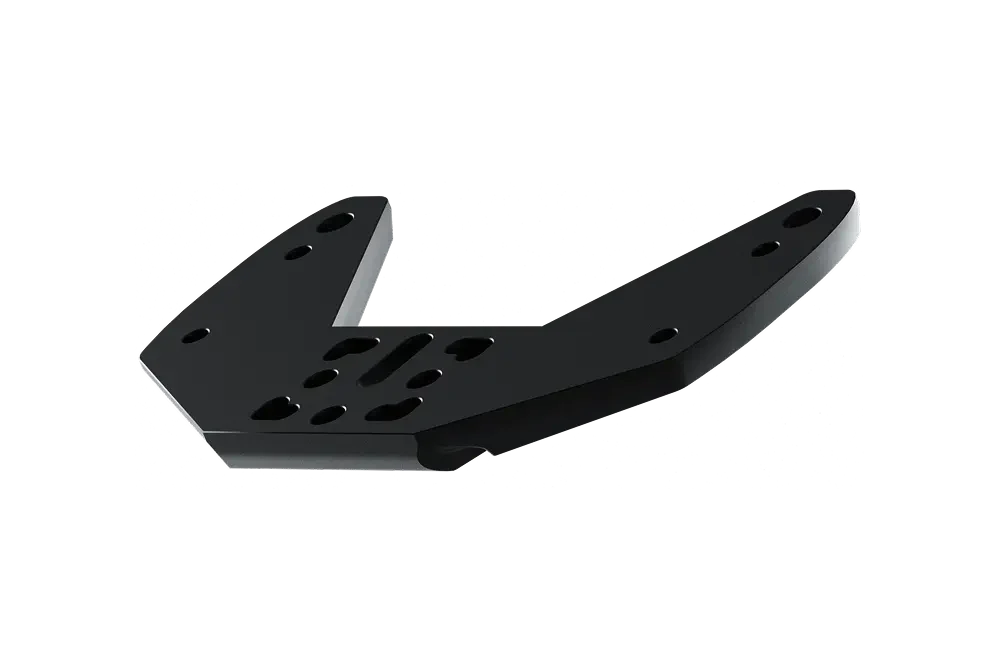
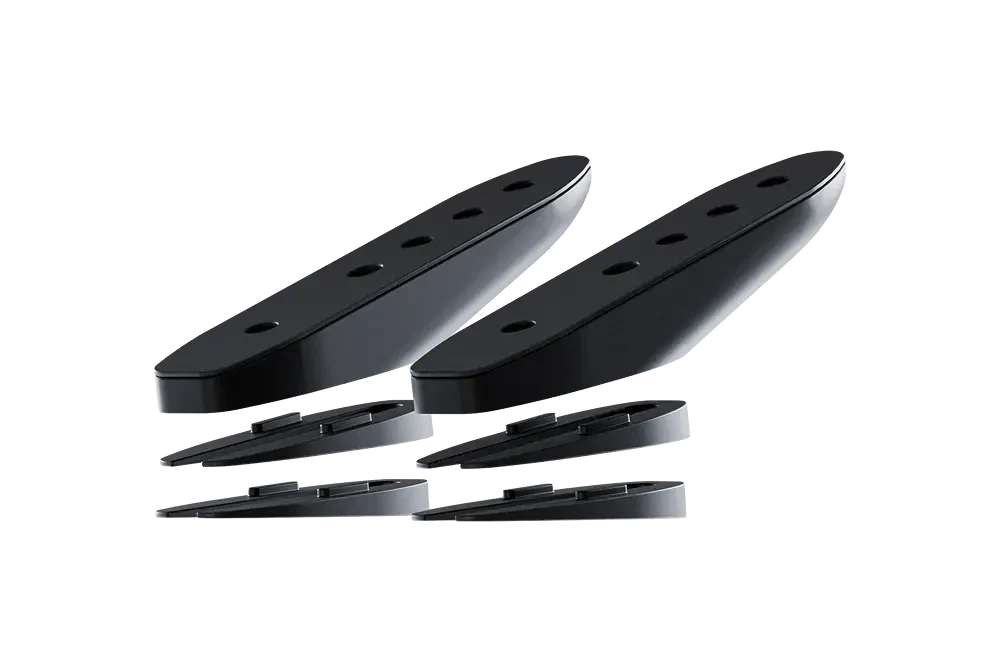
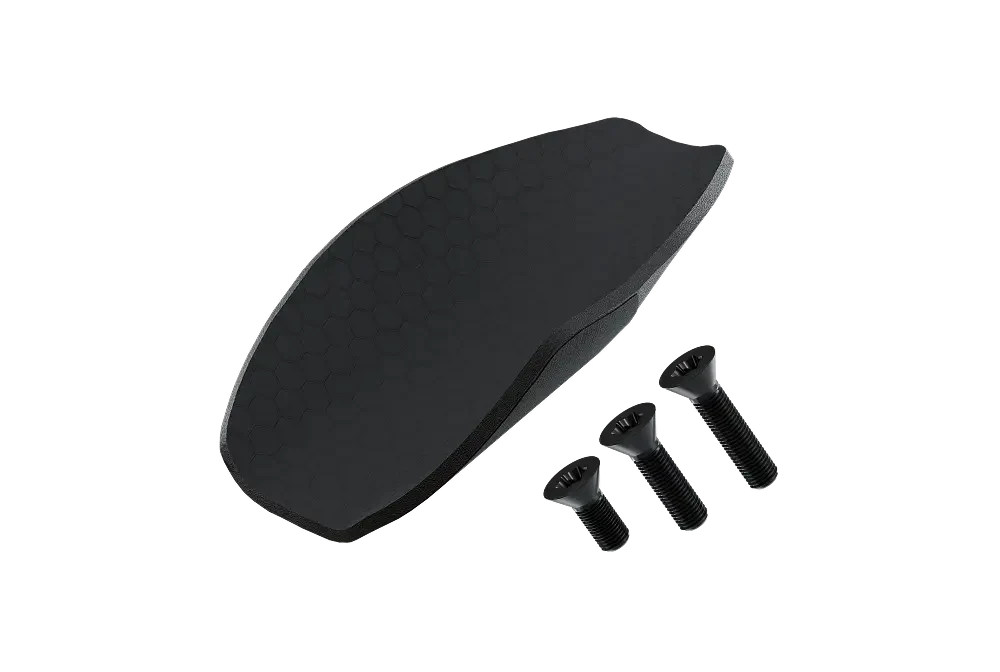
At Tetsuo, we build position from support first. Pad contact, reach, stack, width, wrist angle, and hydration placement should work as one system. Masamune is our most precise route for athletes who want a high-control carbon front end with wrist angle regulation and modular integration. TAO X3 is a strong option when the priority is simple, stable support with carbon fibre armrests and EVA foams.
For Ironman Vitoria Gasteiz 2026, check whether you can drink without lifting the chest. If the bottle hand path forces a shoulder shrug, the issue is not only hydration. It is fit. Our aerobar hydration setup guide explains how bottle access, pad position, and cockpit calmness work together.
A triathlon bike is the natural choice, but the most important decision is how you build the front end. Choose equipment that protects a repeatable posture over a long rolling ride. Wheels should match your handling confidence. Helmet choice should match your real head position, not a wind-tunnel photo. Hydration should be reachable without interrupting your breathing.
| Need | Tetsuo route | Why it fits this race |
|---|---|---|
| Maximum long-course precision | Masamune | Carbon construction, ergonomic support, wrist angle regulation, and modular integration |
| Stable support with simpler setup | TAO X3 | Carbon fibre armrests and EVA foams for a calm contact point |
| Front hydration access | Bottle holder | Adjustable angle helps align the bottle with the hand path |
| More fluid capacity | Bottle holder plus Bottle holder bar | Supports one to three bottles with a rigid aluminium structure |
| Compatibility check | Compatibility Guide | Helps confirm fit before you travel with the bike |
Do not change the cockpit in the final week. Test outside, then confirm bolt security, foam condition, bottle return, computer position, and the race nutrition layout. Our triathlon aerobars maintenance guide is useful before packing because it keeps the final checks simple and repeatable.
The best area for most athletes is the city centre. Staying near Plaza España, Plaza de la Virgen Blanca, the old town, or the streets around Calle Olaguíbel keeps you close to registration, the finish, the run course, and post-race logistics. It also reduces walking stress in the final 48 hours.
Look for accommodation with bike storage, lift access if you have a large case, early breakfast flexibility, and enough floor space to rebuild the bike calmly. A quiet room matters more than a dramatic view. Race week works better when your hotel makes decisions smaller.
If you travel with family or supporters, the centre also gives them a better day. They can reach the finish area, cafés, shaded streets, and the old town without needing a car. That matters when the race day is long and your attention is already limited.

Before the race, keep food predictable. Vitoria-Gasteiz has a strong food culture, but the final 36 hours are not the time to test your stomach. Choose simple carbohydrate sources, familiar protein, low-fibre options, and restaurants close enough that you are not walking more than you need.
For breakfast on race day, use the plan you trained with. Split your intake if the shuttle timing makes one large meal awkward. Prepare anything essential the night before, especially if your accommodation does not offer early service.
After the finish, start with fluids, sodium, and food that is easy to tolerate. The areas around Plaza España, Plaza de la Virgen Blanca, and the old town make recovery logistics simple because you can sit down without moving far from the finish environment.
Race-week training should confirm calmness, not chase fitness. If official access allows it, a short swim familiarisation near Landa can help you understand sight lines and water feel. If not, use a local pool and keep the session light.
For cycling, avoid turning the final days into course recon. Use short rides to check the bike after travel, confirm shifting, brakes, tyre pressure, hydration mounts, and cockpit stability. If anything has moved, solve it early. Our assembly guide and installation content can help you rebuild the system in the right order.
For running, the Green Belt, urban parks, and quiet city paths are enough. Keep sessions short, avoid unnecessary heat exposure, and use them to test shoes, laces, socks, and race belt comfort.
Race day is shaped by split transitions. The official 2026 schedule lists race-morning shuttles from Vitoria-Gasteiz to Landa, transition opening at Pantano de Landa, and a rolling start for age-group athletes. That means your morning plan should be built backward from shuttle timing, not from ideal wake-up time.
Prepare your bags so each one has a clear job. The swim-to-bike bag, bike-to-run bag, streetwear, nutrition, and small tools should not overlap in confusing ways. When transitions are in different locations, simplicity becomes speed.
Expect traffic restrictions and limited access around race areas. Supporters should plan around official shuttle and spectator information rather than assuming they can follow by car. Athletes should know exactly where they need to be on Saturday for bike and bag check-in, then exactly where they need to be on Sunday morning.
| Category | Items to confirm |
|---|---|
| Documents | ID, race registration details, licence or insurance requirements, travel booking details |
| Swim | Wetsuit if allowed, goggles, spare goggles, anti-chafe product, timing-chip strap backup |
| Bike | Helmet, shoes, computer, chargers, pedals, tools, spare bolts, torque wrench, tyres, tubes or plugs |
| Cockpit | Pad position notes, bottle mounts, foam condition, computer mount, extension angle, photos of final setup |
| Run | Shoes, socks, cap, sunglasses, race belt, nutrition, blister care |
| Recovery | Comfortable shoes, warm layer, simple food, electrolyte plan, travel bag for wet gear |
The easiest material to forget is usually the smallest. Photograph your final bike setup before packing. Mark pad position and extension alignment. Pack any proprietary hardware with the bike, not in a random suitcase pocket.
Vitoria-Gasteiz works well for companions because it is walkable, green, and not only built around the race. The medieval quarter, Plaza de la Virgen Blanca, Plaza España, the cathedral area, and the city parks give supporters enough structure for the weekend without complex transport.
The Green Belt is one of the strongest non-race plans. Salburua Park and Ataria are especially useful if companions want nature, walking, and a calm break from race noise. Olarizu is another option for open space and city views.
During the race, companions should focus on places where the event returns to the city, especially the run and finish areas. The four-loop marathon gives them repeated chances to see athletes without chasing the course all day.
The atmosphere is one of the reasons athletes keep looking at Vitoria-Gasteiz. The finish in Plaza España, the city-centre marathon, and the repeated spectator contact make the final hours feel alive. For many athletes, that is more useful than one isolated big crowd moment.
The field is competitive because sold-out full-distance races attract prepared athletes. At the same time, the course profile is readable enough for debutants who have trained properly and respect pacing. It is a race where a strong athlete can go fast, but also where a patient first timer can build a very good first full-distance memory.
The first mistake is overvaluing the flat run and undervaluing the rolling bike. The marathon may be flat, but it only feels that way if the bike was controlled. Riding every rise too hard turns a friendly run profile into a long negotiation.
The second mistake is using an aero position that only works for training photos. If you cannot hold it while drinking, eating, steering, and breathing, it is not race-ready. Before Vitoria-Gasteiz, validate the position outdoors on steady roads, technical sections, and longer aero blocks.
The third mistake is leaving logistics vague. Split transitions, shuttles, check-in windows, and bag placement all need attention. None of these steps are difficult, but they become stressful when left to memory.
Yes, for the right athlete. The swim is calm, the bike is rolling rather than mountainous, the run is flat, and the city logistics are easier than many point-to-point events. Those factors make Ironman Vitoria Gasteiz 2026 a strong option for a prepared debutant.
The warning is that approachable does not mean forgiving. This race rewards maturity. You need to pace the bike, eat before you feel desperate, and accept that a full-distance marathon begins long before you put on running shoes.
The ideal debutant is consistent in training, comfortable in open water, patient on rolling terrain, and willing to choose a cockpit that supports the body rather than just chasing a lower position. If that sounds like your approach, Vitoria-Gasteiz can be a very good first full-distance target.
At the time of writing, we do not list a confirmed Tetsuo stand or event retail point for Ironman Vitoria Gasteiz 2026. If that changes, we will communicate it through our own channels. Until then, the safest route is to prepare your cockpit before travel and avoid relying on last-minute race-week purchases.
Start with Masamune if you want the most integrated front-end system in our range. Choose TAO X3 if you want a clean support platform with a simpler setup path. Use the Compatibility Guide before ordering, then cross-check installation and maintenance before packing.
If you already have a setup and only need to refine details, open our IRONMAN Vitoria guide, hydration article, and maintenance checklist. We build for the same principle this race rewards: stay calm, stay aero, and keep the front end quiet when fatigue starts asking questions.
Ironman Vitoria Gasteiz 2026 is scheduled for Sunday 12 July 2026. Race-week activities begin earlier, with registration, briefings, expo activity, bike check-in, and race-morning shuttles listed in the official schedule.
The swim is in Ulibarri-Gamboa Lake at Landa Provincial Park. It is a single-loop freshwater swim and the official course information describes the water as drinking quality.
No. The bike is best described as rolling. It can be fast when ridden smoothly, but it is not a course where athletes should force power over every rise.
The best setup is one you can hold for most of the 180.2 km. Prioritise stable pads, calm shoulders, accessible hydration, and a cockpit that lets you breathe without sitting up.
The city centre is usually the strongest base. Areas near Plaza España, Plaza de la Virgen Blanca, Calle Olaguíbel, and the old town keep registration, food, finish logistics, and spectator movement simple.

GETTING YOU FASTER
Configure your Masamune