


Carbon vs Aluminium Aerobars: A Technical Analysis of Tetsuo Masamune


In competitive triathlon, the choice between carbon aerobars and aluminum aero extensions can define your next race. Aerobar materials are not just a matter of weight or budget—they are a strategic decision that directly affects performance, comfort, and final results.
Every triathlete knows that every gram counts, every watt saved matters, and every second gained can mean the difference between the podium and the chase pack. This in-depth technical guide explains why carbon triathlon aerobars are a superior investment—especially the revolutionary Tetsuo Masamune cockpit.
Aluminum aerobars were the first to democratize aerodynamics in triathlon. For decades, this material has been the base of many systems due to its cost-benefit ratio and ease of manufacturing. Yet, when we dive deeper into the technical properties, we begin to see why aluminum is being displaced by more advanced composites.
Carbon triathlon aerobars have completely redefined the competitive landscape. Carbon fiber is not only lighter—it allows structural designs impossible with metals. The Tetsuo Masamune aerobars exemplify this evolution, using unidirectional (UD) 200 g/m² carbon in a full monocoque construction.
Many athletes base their decision solely on weight, but that’s only the tip of the iceberg. When comparing the Tetsuo Masamune with aluminum alternatives, its 477 g includes the complete system—extensions, grips, ARAI pads, and stainless-steel hardware.
| Model | Weight |
|---|---|
| Basic aluminum aerobars | 650–800 g (no accessories) |
| Premium aluminum aerobars | 550–650 g (no accessories) |
| Tetsuo Masamune (full system) | 477 g (complete setup) |
Rigidity isn’t just a spec—it determines how effectively your power turns into speed. Carbon fiber extensions provide directional stiffness that optimizes force transfer while absorbing unwanted vibration.
| Material | Stiffness Index |
|---|---|
| Standard Aluminum | 100 |
| 7075-T6 Aluminum | 120 |
| Standard Carbon Fiber | 180 |
| Tetsuo UD Carbon Fiber | 220 |
This superior stiffness translates directly into watt savings. Wind-tunnel tests in Japan show an immediate gain of 15–20 W when switching to a Masamune system compared with traditional aluminum setups.
Carbon aero bars enable aerodynamic shapes impossible in aluminum due to manufacturing limits. Tetsuo engineers—with Formula 1 experience—use advanced CFD to sculpt NACA-based profiles that minimize drag and smooth airflow.
Controlled tunnel testing confirms consistent aerodynamic superiority:
| Model | Drag Coefficient (Cd) @ 40 km/h |
|---|---|
| Standard aluminum aerobars | 0.89 |
| Premium aluminum aerobars | 0.81 |
| Basic carbon extensions | 0.76 |
| Tetsuo Masamune | 0.71 |
A 20 % lower drag coefficient means measurable time advantages on race day.
Material fatigue is critical in high-performance sports equipment. Aluminum suffers from fatigue due to repeated load cycles, gradually weakening over time. In contrast, carbon fiber maintains its mechanical properties consistently for decades.
| Material | Load Cycles Before Failure |
|---|---|
| Aluminum | 500,000–1,000,000 |
| Carbon Fiber | 50,000,000+ (no significant degradation) |
Aerobar materials face extreme environments—salt, UV radiation, variable temperatures, and humidity. Tetsuo aerobars use aerospace-grade carbon fiber with UV-protective resins that ensure structural stability over time.
| Condition | Carbon Fiber | Aluminum |
|---|---|---|
| Corrosion | Immune | Susceptible |
| UV Resistance | Stable (UV-treated) | Degrades over time |
| Temperature Range | -40°C to +120°C | Expands under heat |
| Humidity | Inert | Can corrode (galvanic) |
The Tetsuo Masamune aerobars feature full monocoque construction in unidirectional carbon fiber, directly inspired by Formula 1. This technique eliminates weak joints and creates a homogeneous structure with optimized mechanical properties.
Aluminum aerobars depend on welded or mechanical joints, which inevitably introduce:
Carbon extensions provide superior damping properties. Carbon layups can be engineered to absorb specific frequencies of vibration without compromising stiffness, improving comfort and neuromuscular control during long efforts.
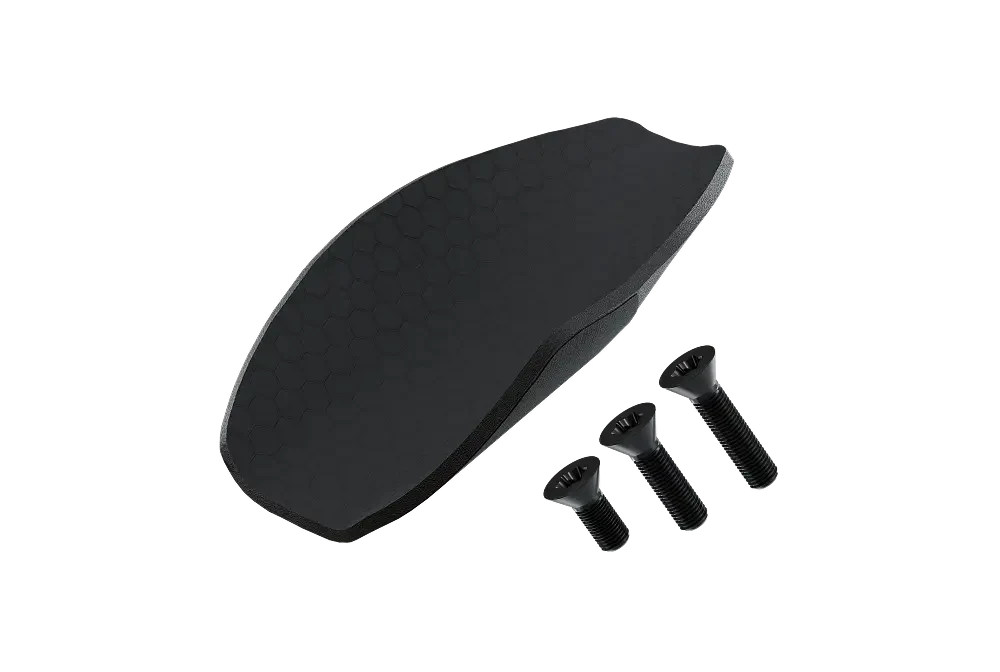
The ARAI pads included with Tetsuo systems are engineered to work in synergy with the carbon platform, distributing pressure evenly and minimizing hot spots.
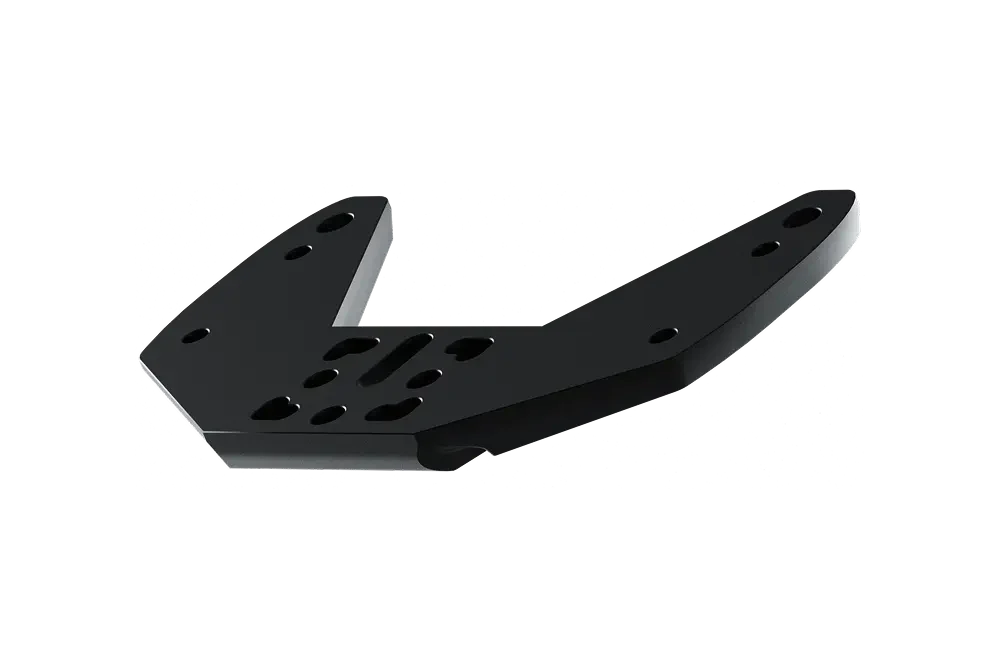
Tetsuo Masamune aerobars are designed for maximum compatibility. They fit most dual-clamp cockpit systems without additional adapters, as long as the mounting distance is between 95 mm and 169 mm.
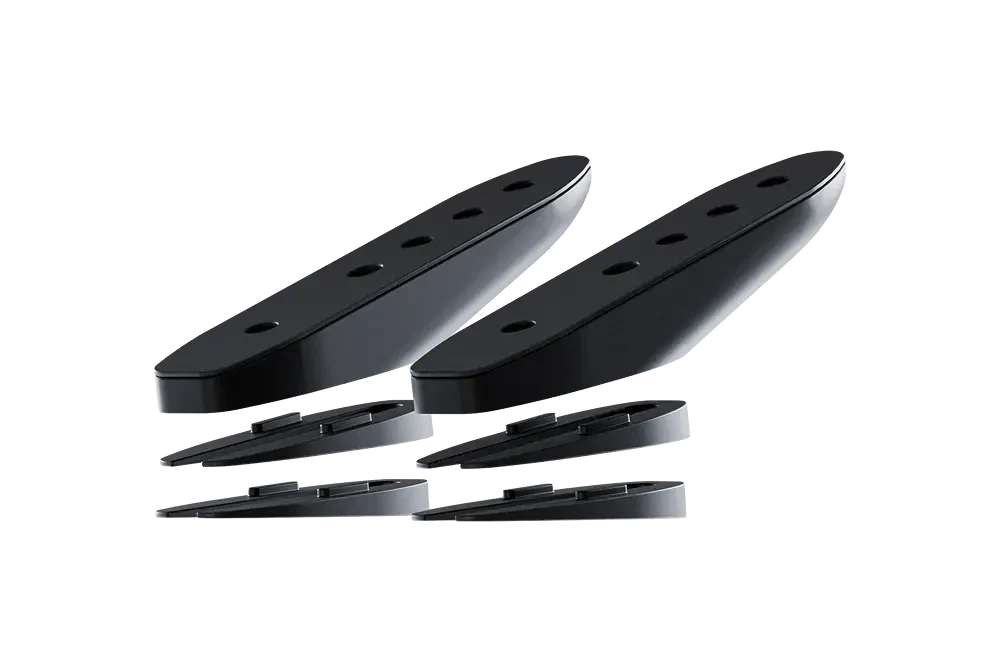
Tetsuo accessories allow full customization for any triathlete’s setup:
When factoring lifespan and efficiency, carbon triathlon aerobars provide superior long-term value:
| Model | Price | Lifetime | Cost per Year |
|---|---|---|---|
| Aluminum aerobars | €300–600 | 5–7 years | €60–120/year |
| Tetsuo Masamune | €1200–1500 | 15+ years | €60–80/year |
Data from verified users and tunnel tests show consistent performance improvements when switching to Tetsuo aerobars:
The next evolution in aerobar materials is already underway, focusing on hybrid composites and smart manufacturing:
With Formula 1 expertise and European manufacturing, Tetsuo continues to innovate:
The Tetsuo systems are designed to adapt to multiple athlete morphologies, ensuring ideal positioning and maximum aerodynamic efficiency.
Choosing the right aerobar system depends on your competition format and experience level:
| Feature | Aluminum Aerobars | Basic Carbon Aerobars | Tetsuo Masamune |
|---|---|---|---|
| Full System Weight | 650–800 g | 520–600 g | 477 g |
| Rigidity Index | 100–120 | 160–180 | 220 |
| Drag Coefficient (Cd) | 0.81–0.89 | 0.74–0.78 | 0.71 |
| Service Life | 5–7 years | 10–12 years | 15+ years |
| Average Watt Savings | 5–8 W | 10–15 W | 15–20 W |
| Price Range | €300–600 | €800–1200 | €1200–1500 |
Tetsuo’s online configurator helps each triathlete design their perfect cockpit:
Professional athletes using Tetsuo aerobars consistently report improved power efficiency, comfort, and reliability under extreme race conditions.
Verified reviews (5/5 stars):
The triathlon market is undergoing a clear shift toward carbon aerobars:
| Year | Carbon Market Share |
|---|---|
| 2020 | 30 % |
| 2023 | 65 % |
| 2025 (Projected) | 85 % |
Tetsuo leads the segment with continuous innovation, Formula 1-grade standards, and comprehensive post-sale support:
Evaluate your goals and usage pattern before choosing your aerobar system:
Tetsuo offers worldwide free shipping and zero-interest installment plans via PayPal. 30-day free returns included.
Contrary to common perception, carbon triathlon aerobars are more sustainable over time than aluminum alternatives. Their extended lifespan and efficiency offset initial production energy, leading to a lower overall carbon footprint.
This comprehensive analysis confirms the undeniable technical superiority of carbon triathlon aerobars over aluminum alternatives. The Tetsuo Masamune represents the peak of this technological evolution, offering measurable advantages in every key parameter.
Ultimately, the choice between aluminum aerobars and carbon triathlon aerobars is not merely technical—it reflects how seriously you take your performance. Advanced carbon systems like Tetsuo’s Masamune transform your cockpit from limiting equipment into a genuine performance advantage.
The technology is available, the data is clear, and the benefits are measurable. The only question left is: Are you ready to take your triathlon performance to the next level?
Visit the official Tetsuo Configurator to find your optimal setup, or check the Compatibility Page to ensure your bike is ready to unleash the full potential of Tetsuo technology.
Excellence in triathlon is not a coincidence—it’s the result of informed, technical decisions. Choosing Tetsuo carbon aerobars is that decision that defines the before and after of your racing career.
© Tetsuo Performance Systems. All data and performance metrics referenced are based on internal laboratory and wind-tunnel testing. Results may vary depending on athlete position and setup.

GETTING YOU FASTER
Configure your Masamune