


Aerobars that fit the Canyon Speedmax cockpit


Canyon Speedmax compatible aerobars are not just about bolting extensions onto your bars. On a Speedmax, the front end is a system: base bar, stem, spacers, pads, extensions, hydration, computer mounts, and cables all competing for the same millimetres. The goal is simple: a locked-in position you can repeat, a stable mount that does not drift under load, and a cockpit that stays serviceable when you travel or race.
This guide focuses on how to select and set up a Tetsuo solution on the Speedmax platform, using our compatibility workflow and the hardware designed to make precise positioning possible. When you are ready to compare options, start in the Aerobars collection and cross-check your bike on the Compatibility Guide.
The Speedmax cockpit is engineered to be fast and clean, which is exactly why compatibility can feel unforgiving. Compared with simpler front ends, you often have less exposed clamping area, fewer flat mounting surfaces, and tighter constraints around cable routing and hydration. That means aerobar compatibility is usually decided by the interface and the stack system, not by the brand name printed on the frame.
In practice, compatibility comes down to three questions. First, what is the mounting standard available on your current cockpit? Second, what stack architecture your bike uses? Third, whether you can achieve your target reach, pad stack, and pad tilt without over-stressing the structure or creating a maintenance nightmare?
If you want a quick answer, follow the same workflow we use internally. It is designed to avoid guesswork and reduce returns. If any step is uncertain, use the measurements and notes on the Compatibility Guide before you commit.
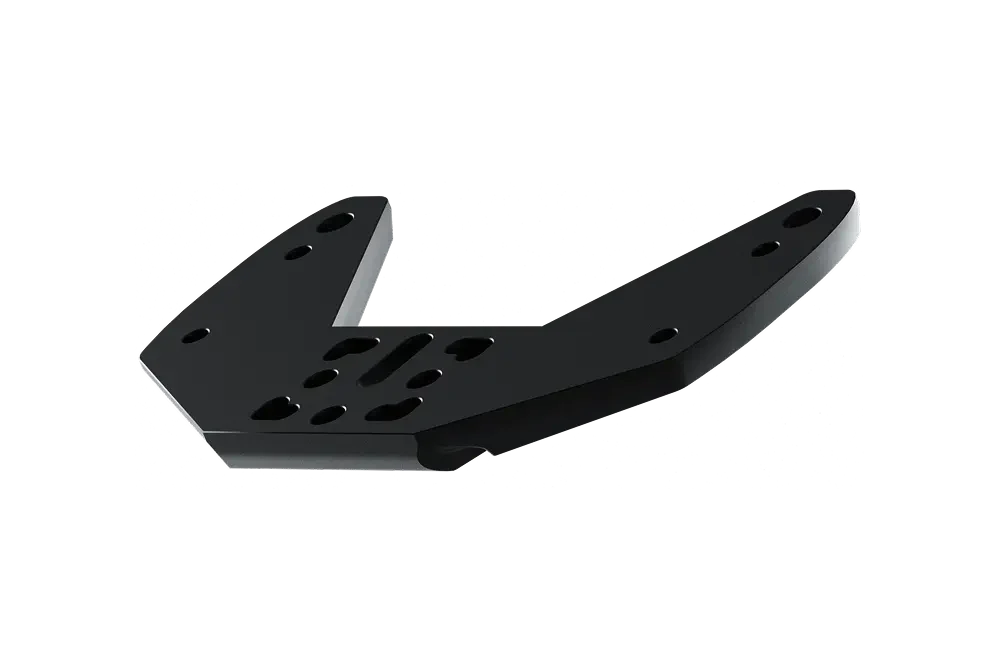
Speedmax cockpits have evolved, and small changes affect how pads and extensions can be supported. Before choosing hardware, confirm the exact model family and cockpit configuration you have today, including whether your bike is a disc platform. If you are running a disc Speedmax and need a purpose-built mounting interface, the Plate Canyon Speedmax Disc is designed for that use case.
On Tetsuo systems, stack architecture matters because it changes where and how load is carried. Our TAO product information explains that TAO is compatible with most major Dual Stack bikes and is not compatible with Central Stack bikes. Use that rule as an early filter, then validate with the full measurement details in the compatibility documentation.
When riders struggle with fit on Speedmax, it is often because they try to force a position that belongs to a different stack concept. The result is awkward pad supports, limited adjustability, or a cockpit that creaks under pressure. A clean system starts by choosing hardware that matches the underlying architecture.
Even if you do not love your current position, your current hardware gives you clues. Look for pad mounting points, bolt patterns, and the usable area where a plate or bridge can sit. Then compare what you see with the drawings and compatibility notes. This step is how you turn “it should fit” into “it fits.”
We design components as a system. The plate establishes a stable interface, the aerobar body provides stiffness and an integrated cable track, and the contact points are tuned for long-course support. For a Speedmax build, you can explore the full ecosystem starting from Plates and Aerobars.
The Plate Canyon Speedmax Disc is a high-strength adapter plate manufactured from 7075 aluminium with black anodizing. It is designed to deliver precise cockpit positioning and structural stability on the Speedmax Disc platform, and it can increase reach from 0 to +25 mm. It is built to handle high loads, which is exactly what you want when you are riding hard on the extensions for hours.
Think of the plate as the foundation. If the foundation is stable and repeatable, the rest of your fit becomes easier. If the foundation is flexible or inconsistent, every micro-adjustment turns into a compromise.
Masamune is engineered for ergonomics, aerodynamics, and comfort, built in unidirectional carbon fibre. The system includes removable EVA foam, a cable track, and wedge options that let you choose different tilt angles. On a Speedmax, that modularity is valuable because it helps you match your pad tilt and wrist angle to the cockpit constraints, not the other way around.
If you want to go deeper on material and performance considerations, our technical article Masamune carbon vs aluminium analysis explains the construction approach and what it changes in real riding.
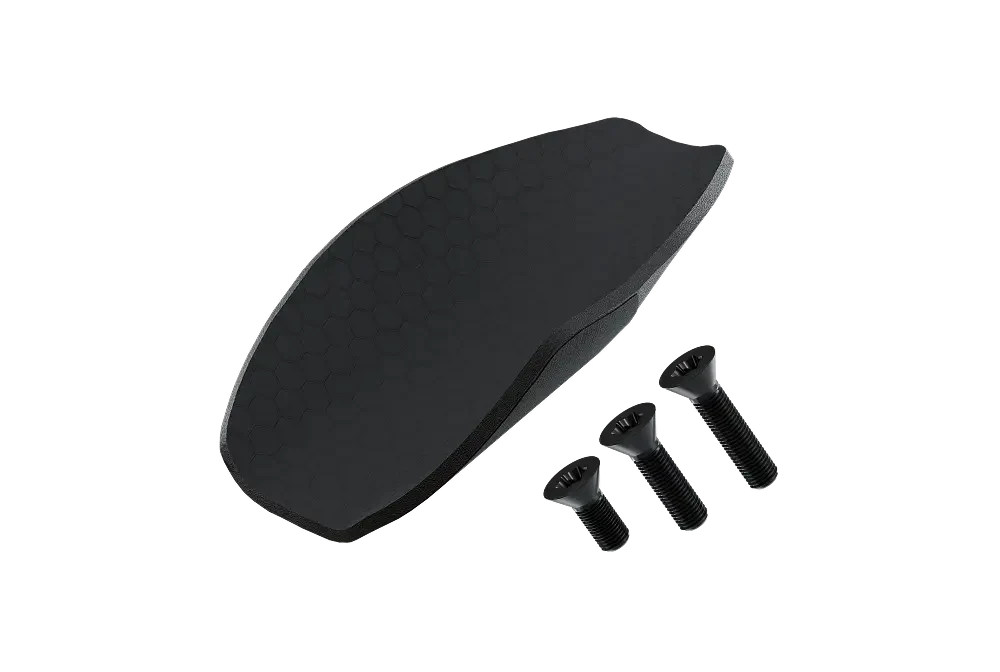
TAO X3 is designed around comfort and a natural support feel, using carbon fibre armrests with EVA foams included in the box. Cleaning is simple, and the product notes highlight that carbon fibre can be wiped with a clean cloth and water. TAO is also explicit about the Dual Stack compatibility rule, which helps you avoid mismatched builds early.
For replacement contact points, explore TAO X3 foams and TAO 1 foams if your priority is keeping the cockpit feeling fresh across a long season.
Most Speedmax mistakes happen when riders shop for parts before they lock the position. The better sequence is to define the position targets first, then select components that can reach those targets while staying mechanically clean. If you are working with a fitter, bring the compatibility documents to the session so the build spec is grounded in what is actually possible.
On the Speedmax, pad width and pad tilt are often where comfort and stability are won or lost. A slightly wider support can reduce shoulder tension on long-course rides, while a carefully chosen tilt can help you relax the wrists and keep the head lower. Reach is the third lever: you want enough length to stay open at the hip without overloading the shoulders.
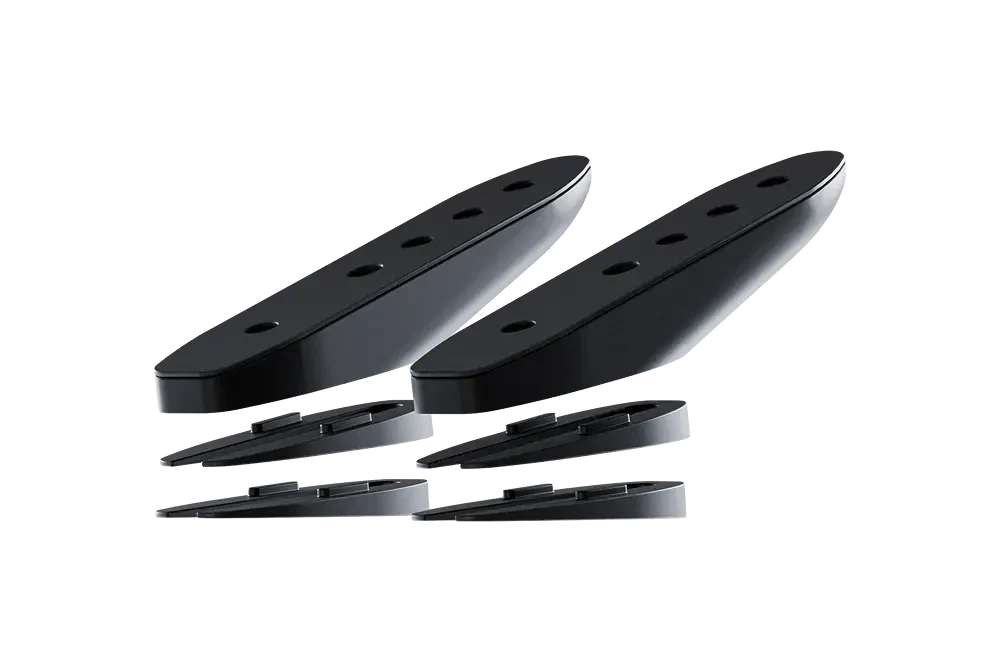
The plate and wedge ecosystem is there to make these changes in controlled steps, rather than forcing extreme spacer stacks or unstable pad bridges.
If your ideal pad angle is beyond what your current cockpit can deliver, wedges are the cleanest way to get there. Tetsuo K wedges offer multiple angle choices, and the K Wedge adaptor can increase tilt by 5 degrees up to 20 degrees when paired with wedges. Use adaptors to fine-tune tilt without distorting the rest of your fit.
This table gives you a fast decision framework. It does not replace the measurement drawings, but it helps you decide what to check next.
| What you know about your Speedmax | What to verify | Where to verify it | Typical next step |
|---|---|---|---|
| Disc platform and you need a stable interface | Plate fit and reach needs | Plate Canyon Speedmax Disc | Pick plate, then set pad reach and tilt |
| You are considering TAO | Dual Stack versus Central Stack | TAO X3 and Compatibility Guide | Confirm stack system before ordering |
| You want maximum adjustability | Angle options and cable routing | Masamune | Choose wedges and plan routing early |
Once you have confirmed fit, the installation goal is repeatability. A Speedmax cockpit should survive travel, race-week adjustments, and long sessions without shifting. Use this checklist as a build process, and cross-check details on the relevant product pages.
Use the correct fasteners for your assembly and keep threads clean. If you need dedicated hardware, see Tetsuo screws. During maintenance, wipe carbon fibre with a clean cloth and water, which is the cleaning approach described in the TAO care notes. If you run EVA foams, protect them from prolonged sun exposure to preserve shape.
Always apply torque according to the cockpit and component manufacturer recommendations. If you are unsure, stop and consult a qualified mechanic, because over-tightening carbon interfaces can cause damage.
Modern Speedmax builds often route cables and hoses through the cockpit. That means you should plan routing before final tightening so you do not trap lines or create tight bends. Masamune includes an internal wire track to keep routing cleaner. If you are adding hydration, the Bottle holder bar is designed to integrate with the Tetsuo cockpit system and support one to three bottles using standard bottle cage mounts.
If your setup looks correct on paper but feels wrong on the road, isolate the issue. If the pads feel unstable, the interface is the first suspect, which is why the plate matters. If your wrists ache, reassess tilt and grip angle. If shoulders fatigue early, check pad width and reach. Make one change at a time, then ride long enough to feel the difference.
When in doubt, start over with the compatibility workflow. It is faster than chasing random micro-adjustments, and it keeps the cockpit clean.
No. Compatibility depends on the exact cockpit configuration, the mounting interface, and whether your front end matches the stack architecture required by the aerobar system. Use the Compatibility Guide to confirm the correct pairing.
If you need a stable interface designed for the Speedmax Disc platform, the Plate Canyon Speedmax Disc is built for precise positioning and structural stability. Whether you need it depends on your current cockpit and the fit targets you are trying to reach.
TAO information states it is compatible with most major Dual Stack bikes and not compatible with Central Stack bikes. Confirm which system your Speedmax uses, then validate with the detailed measurements in the compatibility documentation.
Use wedges rather than improvised spacer stacks. The K Wedge adaptor can increase tilt by 5 degrees up to 20 degrees when combined with wedges, allowing controlled changes while keeping the mount clean.
Wipe carbon parts with a clean cloth and water. For EVA foams, avoid long exposure to direct sun so the material maintains its form, which is consistent with the TAO care guidance.
Start with the FAQs page for practical guidance, then cross-check your exact fit on the Compatibility Guide.

GETTING YOU FASTER
Configure your Masamune