


Triathlon Aerobars Maintenance for Speed, Comfort, and Reliability


Triathlon aerobars maintenance keeps a fast position repeatable. It protects carbon and foam, preserves your chosen wrist angle, and helps your cockpit feel the same on race day as it did in your best training block. Sweat, travel, repeated torque cycles, and small shifts in hardware can slowly change the way your front end feels. The result is usually subtle at first. A little movement under load. A new creak. A wrist angle that no longer feels natural. Then one day you stop trusting the setup.
A reliable routine does not need to be complicated. It needs to be consistent. Tetsuo builds its systems around modular fit, clean load paths, and repeatable adjustment, from the Masamune platform to fit hardware like K Wedges and replacement parts in Spares. For broader setup decisions, athletes can also review the Aerobars collection and the Compatibility Guide before making changes.
This guide is written for athletes who want a cockpit that stays precise through long indoor sessions, hot weather, race travel, and repeated adjustments. You will find a practical cleaning workflow, a simple inspection sequence, a replacement calendar, and a shortlist of mistakes that usually create noise, movement, or comfort loss.
Triathlon aerobars maintenance keeps a fast position repeatable. It protects carbon and foam, preserves your chosen wrist angle, and helps your cockpit feel the same on race day as it did in your best training block. Sweat, travel, repeated torque cycles, and small shifts in hardware can slowly change the way your front end feels. The result is usually subtle at first. A little movement under load. A new creak. A wrist angle that no longer feels natural. Then one day you stop trusting the setup.
A reliable routine does not need to be complicated. It needs to be consistent. Tetsuo builds its systems around modular fit, clean load paths, and repeatable adjustment, from the Masamune platform to fit hardware like K Wedges and replacement parts in Spares. That means upkeep should focus on preserving alignment, protecting contact surfaces, and replacing worn parts before they force compensations into your position.
A fast position is valuable only if it is repeatable. When pad alignment drifts, when screws lose preload, or when foam starts to collapse, the body compensates immediately. You grip harder, shrug the shoulders, or change elbow pressure without noticing. Those small reactions cost stability and often push you out of aero earlier than expected.
This is one reason the front end deserves more attention than a quick wipe after the ride. Maintenance supports position quality. It also reduces the chance of chasing fit changes that are really hardware problems. Before changing reach, tilt, or pad width, make sure the system is clean, secure, and wearing evenly. That is the fastest way to separate a true fit issue from a tired or misaligned component. If you want the bigger product context, Tetsuo's 2026 triathlon aerobars guide complements the fit and care side of this article.
Tetsuo's care guidance is simple and useful. Carbon surfaces can be wiped with a clean cloth and water. That is usually enough for regular cleaning. Aggressive products are unnecessary for routine care and can leave residues that make later inspection harder.
Start by removing bottles, computer mounts, and anything that blocks access. Wipe the extensions, pad supports, underside edges, and the junctions where dirt likes to build up. Pay attention to dried sweat near bolts and under padding. Sweat is not dramatic in a single session, but over time it leaves a film that hides wear and makes small issues easier to miss.
Foam deserves its own quick check while you clean. If the surface feels slick, permanently compressed, or uneven from left to right, comfort will deteriorate long before the cockpit looks worn. Tetsuo notes that EVA foam should be protected from prolonged sun exposure because heat can make it expand and lose form. That small detail matters during race travel, especially when the bike sits in a car or outside transition.
The next step is security. Look at every visible fastener and every place where two parts meet. You are not only searching for loose hardware. You are looking for witness marks, slight gaps, powdery residue, or shiny contact points that suggest movement under load.
On Tetsuo systems, the relevant areas often include the main attachment hardware, the pad hardware, handgrip contact, wedge interfaces, bottle mount hardware, and computer mount hardware. If you use replacement fasteners or need fresh hardware, Tetsuo has a dedicated Screws page and a Spares collection that make it easier to restore the system without improvisation.
Use a torque wrench when you recheck hardware. Tight enough is not a repeatable method on a carbon cockpit. The goal is to keep the interface consistent, not to crush parts into silence. If you ride a TAO X3 setup, Tetsuo lists a recommended screw tightening range of 4 to 7 Nm on the product page. For any system, cross-check the relevant product documentation before making changes.
A cockpit can be secure and still feel wrong if one side has drifted. That is why your last step in the monthly routine should be visual symmetry. Stand in front of the bike and confirm that pads sit level, the extensions look even, and the grip angle matches side to side. Then stand over the bike and check whether the pads still support the forearms in the same place they did when the fit felt best.
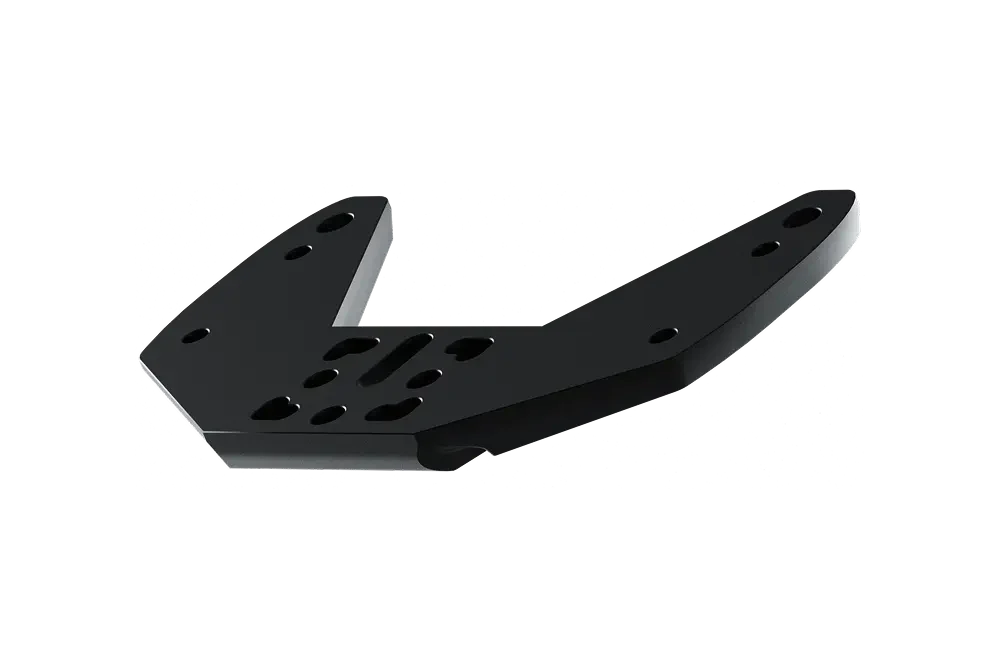
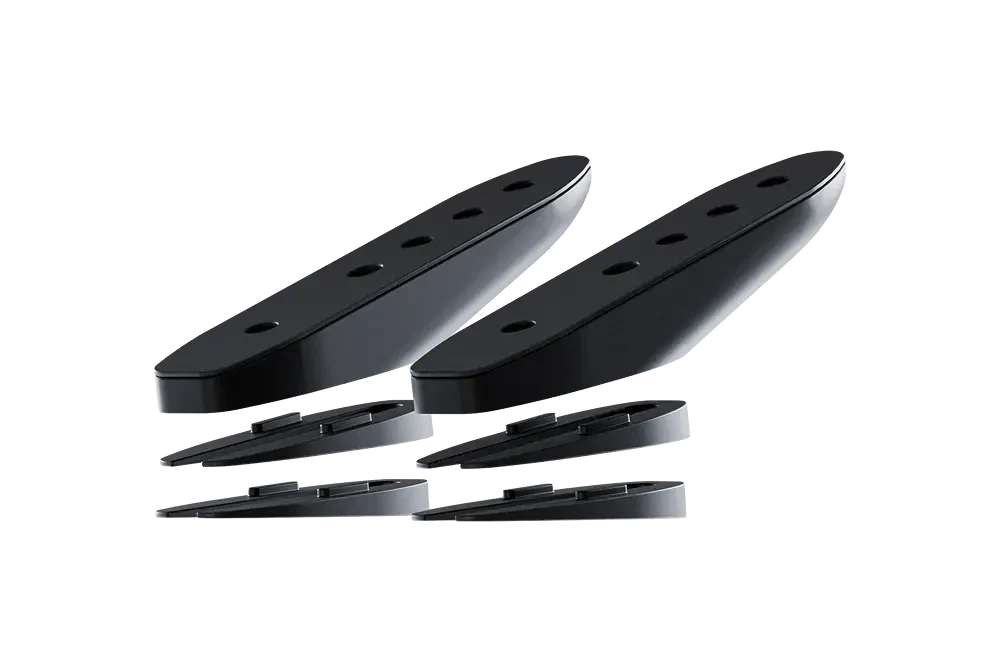
If you use K Wedges or related hardware from the Wedges collection, this is the moment to confirm that the selected angle still matches your current needs. Tetsuo's modular wedge system is designed for repeatable changes in tilt and reach, which is valuable only if you keep the setup documented. Record your preferred position with a photo and a few measurements so you can return to it after travel or a deep clean.
Most front-end problems announce themselves quietly. The bike rarely goes from perfect to unusable in one ride. Instead, you get signals that are easy to excuse.
One of the first signs is movement you can feel only when effort rises. The cockpit seems fine on easy spins, then shifts slightly during hard intervals or when you pull on the front end climbing out of the saddle. That usually points to an interface issue rather than a comfort issue.
The second sign is asymmetric pressure. If one elbow or forearm suddenly takes more load, do not assume your body has changed overnight. Compare left and right foam thickness, pad alignment, and extension angle before touching fit coordinates.
The third sign is visual wear that changes contact quality. Foam that no longer rebounds, hook-and-loop that no longer holds cleanly, or hardware that shows corrosion or rounding deserves attention now, not next month. Tetsuo's Masamune Foams are designed around Arai EVA with anti-moisture and anti-absorbent properties, which helps durability, but even good foam is still a wear item.
Use the table below as a quick decision tool. It keeps maintenance practical and helps you act before a small issue becomes a fit problem.
| What you notice | What it usually means | Best next step |
|---|---|---|
| Foam feels slick or flattened | Reduced grip and uneven pressure | Replace the pads and recheck forearm support |
| New creak under load | Movement at a fastener or contact point | Clean the interface and verify torque |
| One side feels higher or wider | Pad alignment drift | Compare both sides and reset to your reference numbers |
| Bottle mount shakes on rough roads | Loose accessory hardware or poor angle | Inspect the mount and correct position before changing fit |
| Bike rebuilt after travel | Small coordinate changes | Use saved photos and measurements to restore baseline |
One of the smartest habits in triathlon aerobars maintenance is keeping a small reference file for your cockpit. It can be as simple as a note on your phone with four photos and a few numbers. Capture the setup from the front, the side, and the rider view. Then write down pad width, extension length, pad stack if relevant, and the tilt setting you use.
This does two things. First, it protects you after travel or a deep clean. Second, it prevents unnecessary experimentation when the cockpit feels off. If the numbers match your known good position, the issue is more likely wear, cleanliness, or accessory stability. If the numbers changed, you have a fast path back to baseline.
This habit matters even more on modular systems. If you run Masamune with K Wedges, accessory mounts, and spare parts across the season, reference data makes every adjustment more controlled. It turns maintenance from guesswork into a repeatable process.
A cockpit that feels perfect at home can feel different after a flight, a hotel rebuild, or a month of indoor sessions. That is not bad luck. It is the normal cost of a performance system that lives close to sweat, pressure, and repeated handling.
Travel is the biggest disruptor because it combines disassembly, vibration, and rushed reassembly. Before packing, photograph the cockpit from the front, side, and rider view. Measure pad width, extension length, and tilt if your system allows it. On arrival, rebuild to the photos first, then confirm the numbers. This saves guesswork and keeps small errors from stacking.
Indoor riding creates a different type of stress. Sweat falls in the same places for long periods and often dries there. If you spend a lot of time on the trainer, shorten the cleaning cycle. A cockpit that would be fine with monthly care outdoors may need a light wipe every few rides indoors.
Heat is another underrated factor. Tetsuo specifically notes that EVA foam should be kept out of prolonged sun exposure to preserve shape. Do not leave the bike in a hot car when you can avoid it. Do not leave spare foams loose in direct sun on race morning. Small habits extend the life of the parts you actually feel.
Any knock to the front end deserves a closer look, even when there is no obvious damage. A bike case can protect the frame and still leave the cockpit slightly rotated, compressed, or rebuilt with small differences side to side. The same goes for rushed pre-race changes. A move that takes two minutes at home can create hours of doubt when it happens in a parking lot or hotel room.
After any impact or rebuild, start with the basics. Check that the pads are level, the extensions are symmetrical, and all accessories sit where they are supposed to sit. Then test the cockpit under realistic load. A five-minute roll around the block tells you far less than a steady aero effort with a few changes in road texture and one or two standing accelerations. If the front end stays quiet and stable there, confidence usually returns quickly.
Maintenance is not only about the armrest body and the pads. It also includes everything attached to the front end. A bottle mount or computer holder that rattles, sags, or shifts under load changes how the cockpit feels and can slowly alter your posture.
Tetsuo offers a dedicated Garmin/Wahoo Holder, an adjustable Bottle holder, and a Bottle holder plus Bottle holder bar for more capacity. The performance question is not just whether these accessories fit. It is whether they stay stable and easy to use without forcing you to open the elbows, lift the head too much, or reach awkwardly.
During inspection, confirm that mounts are straight, centered, and easy to access from the aero position. If you need to compensate for angle or bottle position, Tetsuo also offers a BTA Wedge. That matters because poor hydration placement often looks like a fit problem. Riders sit up more often, then blame the pads or extension reach when the real issue is awkward access or a loose accessory.
Some parts are designed for long life. Others are consumables. Good maintenance means knowing the difference.
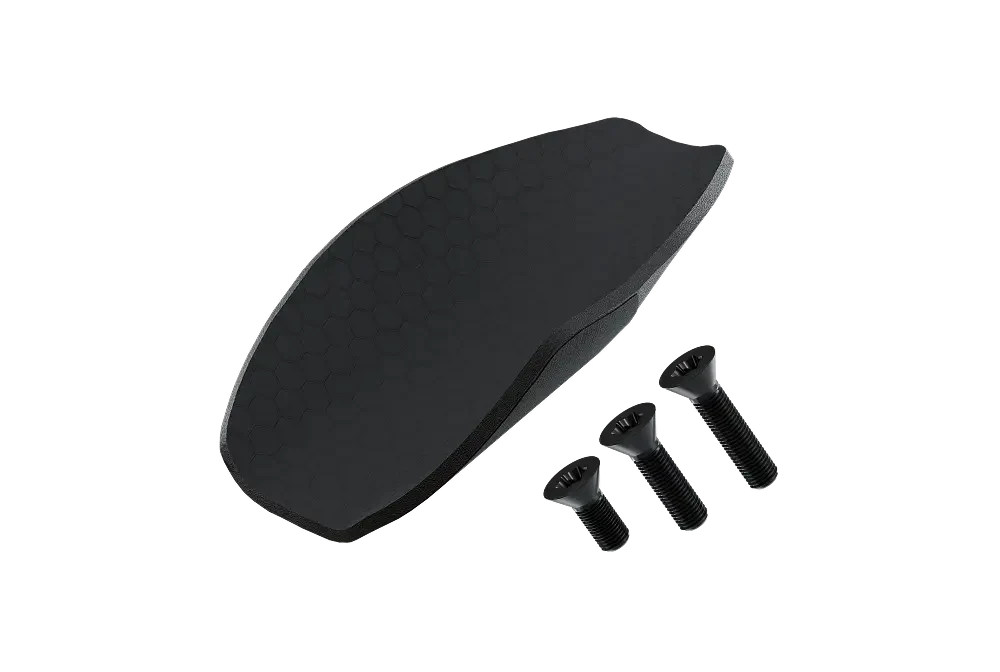
Replace foams when support quality changes, not only when they look old. If you are sliding, sinking, or constantly repositioning the forearms, fresh padding usually gives back more comfort than another fit change. Tetsuo sells dedicated Masamune Foams and TAO X3 Foams, which makes replacement straightforward and avoids generic workarounds.
Replace screws when the heads round off, when corrosion appears, or when you can no longer trust consistent tightening. Fasteners are inexpensive compared with the cost of a slipped cockpit during training or travel. The same logic applies to hook-and-loop elements and small contact hardware. Once repeatability is gone, maintenance becomes guesswork.
Inspect wedges and fit hardware any time you have repeated adjustments, race travel, or unexplained changes in feel. K Wedges are machined from 7075 aluminium and designed for high load capacity, but they still deserve inspection for clean contact and correct reassembly. The goal is not to swap parts constantly. It is to avoid building your position on top of a worn interface.
The easiest way to stay ahead of problems is to attach maintenance to training rhythm rather than to vague intentions. Use this calendar as a starting point and adapt it to how often you ride indoors, how much you travel, and how often you change your position.
The most common mistake is confusing dirt removal with maintenance. A clean cockpit can still be loose, asymmetrical, or built around tired contact points. Cleaning is the start, not the whole routine.
The second mistake is changing fit coordinates before checking hardware and wear. If one side has moved or foam has collapsed, a fit change only hides the real problem for a while.
The third mistake is over-tightening. Riders often respond to noise by adding force instead of checking the interface, cleaning the contact area, or replacing a small worn part. A torque wrench is cheaper than trial and error on carbon.
The fourth mistake is ignoring accessory stability. Bottle and computer mounts are part of the front end. If they move, vibrate, or force awkward reach, they directly affect the way the whole cockpit feels.
The fifth mistake is waiting too long to replace simple wear items. Fresh foam, clean hardware, and documented setup numbers protect performance better than heroic troubleshooting the week of a race.
A good routine includes light cleaning after sweaty sessions, a monthly inspection of fasteners and alignment, regular checks of foam condition, and a quick review of bottle and computer mounts. The goal is not to rebuild the cockpit all the time. The goal is to catch small changes before they affect comfort or confidence.
Tetsuo states that carbon fibre can be wiped with a clean cloth and water. Keep the process simple so inspection stays easy and residues do not build up.
Replace them when support quality drops, grip changes, or compression becomes uneven from left to right. Do not wait for them to look destroyed. If the forearms keep sliding or pressure suddenly feels sharper, fresh padding is usually the right move.
Yes. A loose bottle or computer mount can change posture, stability, and the way you return to the aero position after drinking or checking data. If the rider has to sit up more often or reach awkwardly, the accessory layout deserves attention.
Rebuild from photos and measurements, then validate outdoors before your next important session. Small shifts are easier to fix early, especially after flights, packed cases, and rushed hotel assembly.

GETTING YOU FASTER
Configure your Masamune