


Carbon Triathlon Aerobars: How to Build a Faster, More Sustainable Cockpit


Carbon triathlon aerobars are not only a lighter front-end upgrade. The real performance gain comes from combining stiffness, stable forearm support, precise hand position and enough adjustment to hold an aerodynamic posture for the full bike leg. At Tetsuo, we design the cockpit as a complete system, because a position only works when speed, comfort and control remain connected.
A fast triathlon bike is not defined by one isolated component. Your pads, extensions, wrist angle, tilt, hydration and computer position all influence how long you can stay low without adding tension through the shoulders, neck or hands. Carbon gives us the freedom to shape a rigid and lightweight structure, but fit is what turns that structure into usable race speed.
Weight is the easiest difference to understand, but it is not the most important one. A well-designed carbon structure can place material where load is highest and remove it where it adds little value. That makes it possible to create a front end that feels direct under pressure without relying on bulky sections or unnecessary joints.
When you settle into the aero position, your forearms transfer a continuous load into the cockpit. During accelerations, rough surfaces and steering corrections, that load changes quickly. A monocoque carbon body helps keep the structure consistent, so the support point feels predictable rather than vague.
Our Masamune uses a 100 percent unidirectional carbon monocoque body. The current product specification lists a weight of 249 g for the main system, a 140 mm elbow spacing and a total width of 234 mm. The goal is not to chase a number in isolation. It is to create a rigid support platform that lets the rider relax into the position instead of constantly correcting it.
Long-course fatigue rarely arrives as one dramatic problem. It builds through small inputs. Road vibration, repeated hand pressure and subtle shoulder tension can make an initially fast position harder to hold after several hours. The cockpit should reduce that noise rather than amplify it.
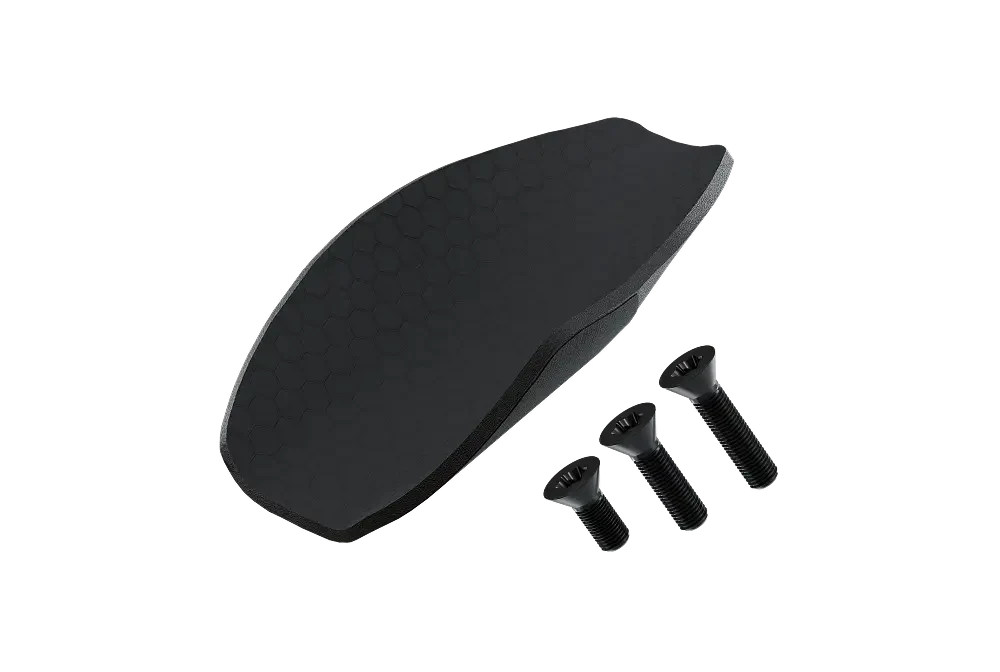
That is why the carbon body and the support foam have different jobs. The structure needs to stay precise while the contact surface manages pressure and micro-vibration. Masamune uses removable ARAI high-density foam, while TAO X3 combines its carbon body with removable ARAI foam for a supportive contact point. A stable structure with a forgiving interface is more useful than a soft cockpit that moves under load.
Most aerodynamic gains come from the rider and bike working as one shape. The purpose of the front end is to help you maintain that shape with less unnecessary movement. A lower torso can reduce frontal area, but lowering the front end only makes sense if breathing, power delivery and steering remain controlled.
If you can hold an extreme setup for ten minutes but sit up repeatedly later, the theoretical gain disappears. A sustainable position lets you keep your elbows supported, your hands light and your upper body quiet while the legs continue producing power.
This is why our fitting process starts with repeatability rather than appearance. Before changing anything, record your current setup. Our guide to triathlon aerobar measurements explains how to log the mounting interface, pad position, reach, stack, tilt and extension length. Those numbers give you a baseline you can rebuild after travel, service or experimentation.
The hands should guide the bike, not hold the whole upper body in place. When the wrist is forced into an awkward angle, tension can travel through the forearms and shoulders. When elbow support is unstable, the rider often grips harder and makes larger steering inputs.
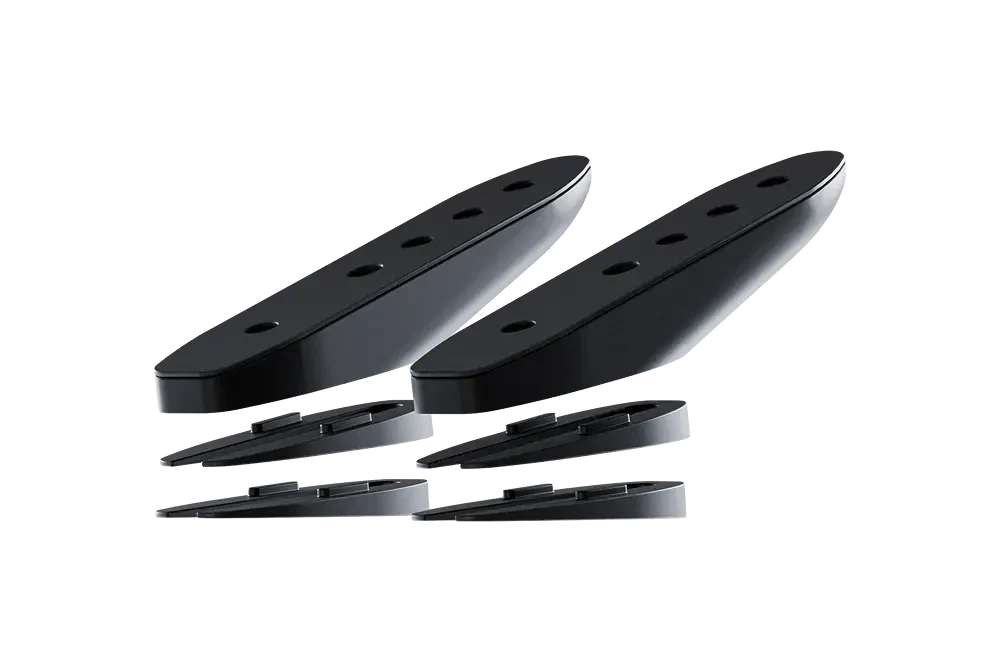
Masamune lets you fine-tune the hand position, with a base angle of 7 degrees, handgrip adjustment from 0 to 10 degrees and reach extension from 0 to 30 mm. Our K Wedges provide 10, 15 or 20 degree options, giving the cockpit another layer of fit adjustment. The useful setting is the one that keeps your forearms supported and your hands relaxed at race effort.
The first decision is mechanical, not aerodynamic. Before thinking about pad tilt or extension angle, confirm that the mounting architecture matches your bike. A perfect fit target is irrelevant if the base interface is wrong.
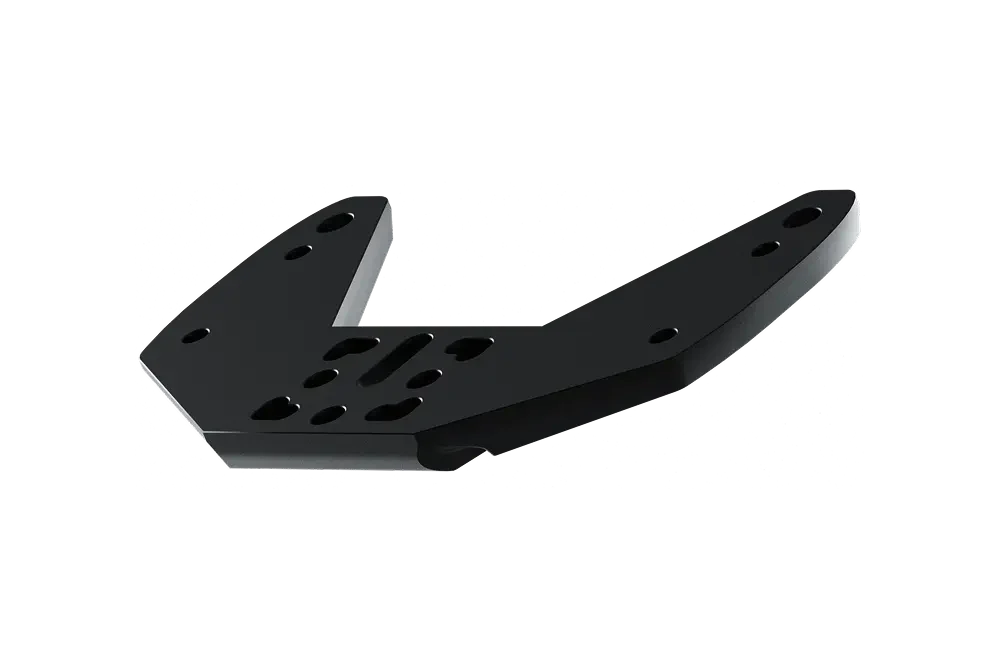
Use our Compatibility Guide before ordering or moving hardware. The current guide lists Masamune compatibility with Dual Stack mounting from 117 mm to 169 mm between the mounting points, with a recommended screw tightening range of 4 to 7 Nm. Some cockpit architectures require an additional plate, which is why measuring first is essential. You can review the available plates when your bike needs a dedicated interface.
TAO X3 is designed for Dual Stack applications and uses independent horizontal and vertical adjustment ranges at the mounting interface. If you are not certain which architecture your bike uses, identify the mounting points first and compare them with the diagrams in the guide rather than estimating from a photo.
Both of our current carbon systems are built around stable arm support, but they solve different cockpit needs. Masamune is the more complete system for athletes who want integrated hand position adjustment, dedicated accessory options and a broad setup path. TAO X3 is a clean carbon arm-support solution with adjustable elbow support and compatibility with our wedge system.
| Feature | Masamune | TAO X3 |
|---|---|---|
| Primary structure | Unidirectional carbon monocoque body | Unidirectional carbon body |
| Support width | 140 mm elbow spacing | 185 mm side to side |
| Base angle | 7 degrees | 7 degrees |
| Tilt options | 10, 15 or 20 degrees with K Wedges | 10, 15 or 20 degrees with K Wedges |
| Hand position | Adjustable handgrip angle and reach | Fixed platform with interchangeable grip options |
| Accessory integration | Designed for GPS and hydration integration | Compatible with our cockpit ecosystem |
Masamune is the platform to consider when you want the front end to work as one coordinated system. The carbon body, adjustable handgrip, wedge options, mounting plate and accessory interfaces are designed to be configured together. That matters when small position changes affect more than one contact point.
For athletes building around long-course racing, the biggest advantage is not one isolated specification. It is the ability to manage support, hand position, tilt, hydration and computer placement without treating each part as a separate problem. Explore the full Masamune configuration before deciding which accessories you need.
TAO X3 is a strong option when your priority is a clean carbon armrest platform with ergonomic adjustment. Its current specifications list a 185 mm side-to-side width, a 7 degree neutral base angle and support for 10, 15 or 20 degree wedge configurations.
It is particularly useful when you want to improve forearm support without rebuilding every part of the front end at once. The right choice between Masamune and TAO X3 depends on your existing cockpit, the amount of adjustment you need and how much integration you want around the hands.
Buying carbon triathlon aerobars does not automatically create a better aero position. The hardware gives you the tools. The fit determines whether those tools help you stay low, breathe freely and run well after the bike.
Your elbows and forearms need enough support to stabilize the torso without forcing the shoulders inward. If the support is too narrow for your body, you may create shoulder tension or make breathing feel compressed. If it is too wide, you may lose some of the aerodynamic advantage you were trying to create.
Start from a position you can hold comfortably and make one change at a time. Our guide on how to adjust aerobar position explains a controlled process for tuning stack, reach, pad support and tilt. The objective is to find the fastest position you can repeat, not the lowest position you can photograph.
Too much reach can load the shoulders and make the rider slide toward the front of the pads. Too little reach can close the torso and make the cockpit feel cramped. Both problems increase movement and reduce the time you can spend in aero.
Keep saddle position and cockpit position as separate fit questions. Do not move the saddle simply to compensate for an incorrect front-end reach. Establish the bike fit first, then use the cockpit adjustment range to place the support where your body needs it.
Higher hands can help some athletes stabilize the upper body and reduce wrist strain. For others, too much tilt can feel restrictive or make the front end harder to manage. There is no single angle that is automatically faster for every rider.
Use 10, 15 and 20 degree options as fitting tools. Test them under realistic load and duration. If your shoulders stay quiet, your wrists feel neutral and your head position becomes easier to hold, the change is doing useful work. If the new setup only looks faster while creating tension, move back toward the last repeatable position.
An aerodynamic position becomes less useful every time you leave it to drink or read race data. Accessories should therefore be part of the setup process, not a final layer added after the fit is finished.
A front bottle should be easy to remove and return without lifting the chest or shifting pressure off one forearm. Our Bottle holder and Bottle holder bar package is designed to integrate with our cockpit and can support one to three bottles depending on the chosen configuration.
Position the bottle only after your pad and hand locations are stable. Then test the drinking motion outdoors. Our aerobar hydration guide explains how bottle access, posture and race duration should influence the final layout.
Data is useful only when checking it does not repeatedly break your position. The Garmin/Wahoo Holder is designed to place the device inside our cockpit ecosystem. Once mounted, validate visibility while riding at normal race effort rather than while standing next to the bike.
If you have to raise your head sharply to see the screen, the device is influencing your aerodynamics and neck load. Small changes in angle or location can make pacing information easier to read while keeping the body settled.
Carbon components reward precision. Correct installation protects the structure and helps the cockpit return to the same position after service or travel. Avoid tightening by feel. Use the values specified for the component and follow the correct assembly sequence.
Our current Masamune compatibility information specifies 4 to 7 Nm for the relevant mounting screws. Always check the latest product and assembly information for the exact interface you are working on. Use our Assembly Guide for the Masamune installation sequence and our detailed guide on how to install triathlon aerobars to build a measured baseline before changing the fit.
After installation, mark down your final measurements. Record pad position, reach, tilt, hand angle and accessory location. Take side and top photos. If the bike is packed for travel or the cockpit is removed for maintenance, those references make it much easier to restore the exact setup.
A cockpit can slowly change through sweat, travel, repeated torque cycles and foam wear. The first sign may be a small creak, a slight movement under load or a support surface that no longer feels the same. A simple inspection routine prevents those changes from becoming race-day problems.
Clean carbon surfaces with the care recommended for the product, inspect hardware after travel and confirm that the contact points have not shifted. Masamune foam is removable, which makes it easier to keep the support area clean and replace worn contact material when needed. Our triathlon aerobars maintenance guide covers the routine checks that help preserve fit, comfort and reliability.
Do not use maintenance as an excuse to change several fit variables at once. If the cockpit already works, preserve the known position. Replace or service what is needed, rebuild to the recorded measurements and then test before making any new adjustment.
| Question | Why it matters |
|---|---|
| What mounting architecture does my bike use? | It determines whether the cockpit can be installed directly or needs a specific plate. |
| What are my current pad, reach and tilt measurements? | They give you a baseline and prevent blind changes. |
| Can I hold my current aero position for race-specific duration? | Comfort under load is more useful than an aggressive static position. |
| Do my wrists feel neutral and my hands stay relaxed? | Hand tension often signals that the front end needs angle or reach adjustment. |
| How will I carry hydration? | Bottle access can change hand space, posture and control. |
| Where will my computer sit? | Screen position affects head movement and pacing visibility. |
| Can I reproduce the setup after travel? | Recorded measurements turn a good fit into a repeatable fit. |
For athletes comparing carbon triathlon aerobars, the most useful order is compatibility first, fit second, integration third and weight last. Carbon creates a strong foundation, but the real advantage comes from a cockpit that lets you stay aerodynamic without fighting the bike.
They can be valuable when the system improves support, stiffness, adjustment and integration rather than only reducing weight. Long-course athletes benefit most from a front end they can hold for extended periods with stable wrists, elbows and shoulders.
No. The material can benefit any athlete who values a lighter, rigid and well-shaped cockpit. The bigger question is whether the system offers the compatibility and adjustment range your bike and body require.
Check our current Compatibility Guide and measure the mounting interface rather than estimating. The guide lists current Dual Stack dimensions and the bikes that need dedicated plate solutions.
There is no universal best angle. Use tilt to improve support, wrist comfort and position stability. Our K Wedges are available in 10, 15 and 20 degree configurations, which gives you a controlled way to test different positions.
Establish the core pad, reach and hand position first, then integrate hydration and re-test the complete race setup. The bottle must be reachable without disrupting the posture you are trying to preserve.
Inspect it regularly and after travel, crashes, unusual impacts or major adjustments. Check hardware, contact surfaces, foam condition and whether the recorded measurements have changed. If anything feels different under load, investigate it before the next race-specific session.

GETTING YOU FASTER
Configure your Masamune