


IRONMAN 70.3 Málaga 2026 Race and Cockpit Guide


IRONMAN 70.3 Málaga 2026 takes place on Sunday 18 October in one of Spain's most accessible coastal cities. The race combines a protected 1.9 km harbour swim, a fast 90 km bike course with approximately 250 metres of elevation and a flat 21.1 km run that finishes in the centre of Málaga on Calle Larios.
This is a course that invites speed, but a flat profile does not remove the need for discipline. Long uninterrupted sections reward athletes who can hold steady power, remain relaxed on the pads and drink without leaving the aero position. Small cockpit problems become expensive when average speed rises because every unnecessary movement creates more drag and interrupts rhythm.
At Tetsuo, we approach Málaga through repeatability. The best front end is not the most extreme one in the transition area. It is the setup that lets you support the forearms, keep the wrists neutral, see the road, reach hydration and return to the same position for the full 90 km. The following guide combines confirmed race information with practical training, travel and cockpit decisions.
| Detail | Confirmed information | Preparation impact |
|---|---|---|
| Date | Sunday 18 October 2026 | Plan for an autumn Mediterranean race with potentially warm daytime conditions |
| Location | Málaga, Andalusia, Spain | A compact city layout can simplify travel, accommodation and supporter movement |
| Swim | 1.9 km, one loop in the protected Málaga harbour | Practise sighting, controlled starts and a calm transition from salt water to the bike |
| Bike | 90 km, one coastal loop with approximately 250 m of elevation and closed roads | Prioritise steady power, aero endurance, hydration access and control in coastal wind |
| Run | 21.1 km, two flat laps along the Malagueta promenade | Protect the legs on the bike and rehearse running efficiently after sustained aero work |
| Finish | Calle Larios in central Málaga | Expect a high-energy final section and plan supporter access around race restrictions |
| Transition | One large transition area at Paseo del Parque | Study entry and exit routes when the final athlete guide is released |
| Registration | General entries are sold out as of 4 August 2026 | Use the official event page for any later entry opportunities or operational updates |
The official race page lists typical air temperatures of approximately 18°C to 26°C and an average water temperature near 20°C. These figures are planning references rather than a forecast. Athletes should monitor the final weather, water conditions and wetsuit communication during race week.
The 2026 athlete guide has not yet been published at the time of writing. Use the official IRONMAN 70.3 Málaga event page for final schedules, check-in requirements, transition procedures, course changes and competition rules.
The single-loop swim starts in Málaga Port. The protected setting should reduce exposure compared with an open beach start, but it does not eliminate contact, glare, navigation errors or the temptation to begin too hard. The first objective is to establish breathing and direction without accumulating upper-body tension.

The 90 km bike leg is a single out-and-back coastal course. The organiser describes smooth roads, closed traffic conditions and only about 250 metres of total elevation. The route heads east from Málaga along the Costa del Sol before returning to the same transition area.
Low elevation makes pacing look simple, but flat racing exposes poor execution. There are fewer climbs that naturally interrupt the position, fewer descents that provide recovery and more time spent producing continuous power. Athletes who ride above target early may not notice the damage until the return leg or the first kilometres of the run.
Coastal exposure also matters. Wind direction can make one half of the course feel faster than the other, and the pressure on the front wheel may change across open sections. The correct response is not to force the same speed in both directions. Hold a tested effort, stay organised in the cockpit and use the position to reduce the cost of moving through the air.

The half marathon uses two laps along the Malagueta promenade before the finish on Calle Larios. A flat run rewards cadence and rhythm, but it offers little opportunity to hide a bike leg that was too aggressive. Athletes who overgear the final kilometres, stop drinking or hold excessive muscular tension in the cockpit may feel the consequences immediately after transition.
The final section through central Málaga should create strong crowd energy. Use it late. The first lap should remain controlled even when the course feels quick and the atmosphere encourages a faster pace.

Fast, uninterrupted riding increases the cost of every unnecessary movement. Sitting up to drink, lifting the head repeatedly or stretching because the reach is wrong interrupts speed and pacing. Málaga may also keep the body in a similar position for long periods, so a small pressure point can become dominant after an hour.
The answer is not an extreme front end. It is complete forearm support, correct reach, neutral wrists and a position that remains easy to find after braking or turning. Validate the setup outdoors because real roads reveal wind response, steering behaviour and bottle access in a way that a static indoor test cannot.
The pads should distribute pressure across a useful area of the forearm. Support concentrated at the elbow point creates discomfort and encourages movement. When the arms slide or hover, the athlete compensates with the hands, shoulders and core.
Check that both foams have the same condition and thickness. Replace worn contact material early enough to test it. Our spares collection includes replacement components that help maintain a consistent contact surface before travel and racing.
Reach controls the relationship between shoulders, elbows and hands. Too much reach pulls the body forward, increases hand pressure and can make the head difficult to support. Too little reach compresses the torso and may restrict breathing or close the hip angle.
Establish a neutral baseline before changing extension angle. Our guide on how to adjust aerobar position separates stack, reach, width, tilt and hand position so each variable can be tested rather than changed at random.
Neutral wrists help the hands stay relaxed and the shoulders remain low. If the extensions are too flat for the athlete, the wrists may bend while the hands pull upward. If the angle is excessive, visibility, shifting or bottle access may become awkward.
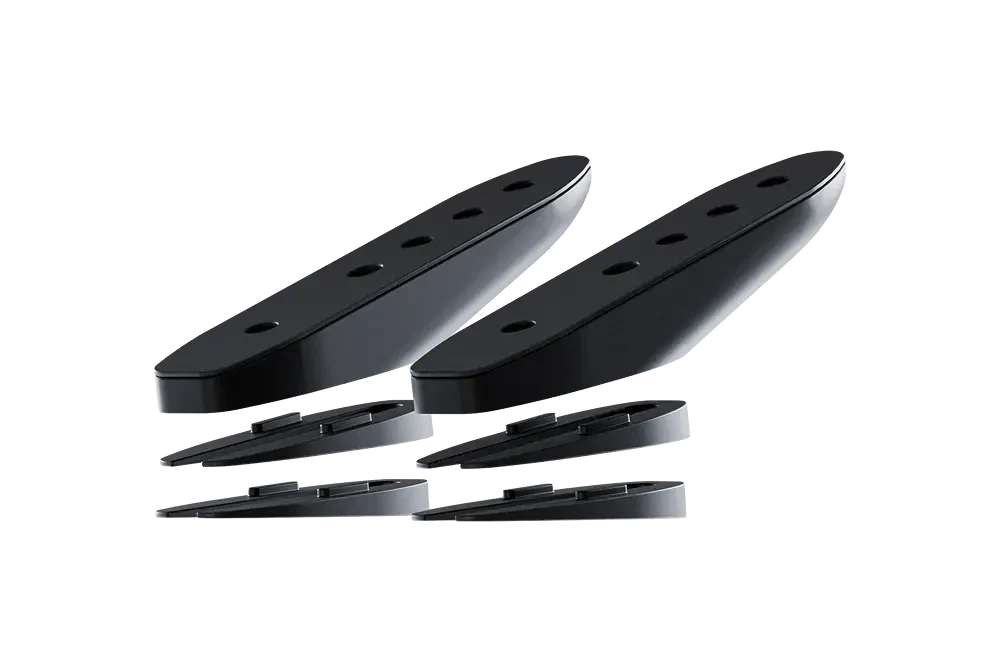
Our K Wedges provide repeatable 10, 15 and 20 degree options within the Masamune system. Use the smallest change that improves support, then confirm control, vision and breathing during long rides.
Drinking should require a small, rehearsed movement rather than a complete posture change. The bottle must remain secure on rough surfaces and easy to replace without looking down for several seconds. Test the hand path at realistic speed while the opposite arm supports the bike.
The computer should be visible with limited head movement. Our accessories collection includes hydration and computer-mount options designed to integrate these tasks into the front end. The final arrangement should support the nutrition plan without interfering with steering or grip.

We begin with the athlete's ability to repeat the position. Can they breathe deeply, see the road, drink, shift, relax the hands and return to the same forearm contact after a turn. Those questions define the useful geometry more accurately than a static side photograph.
For athletes building a complete carbon front end, Masamune combines a unidirectional carbon body, cushioned forearm support, adjustable hand position and compatibility with our wedge, hydration and computer-mount routes. The objective is a measured platform that can be tuned for speed, support and control.
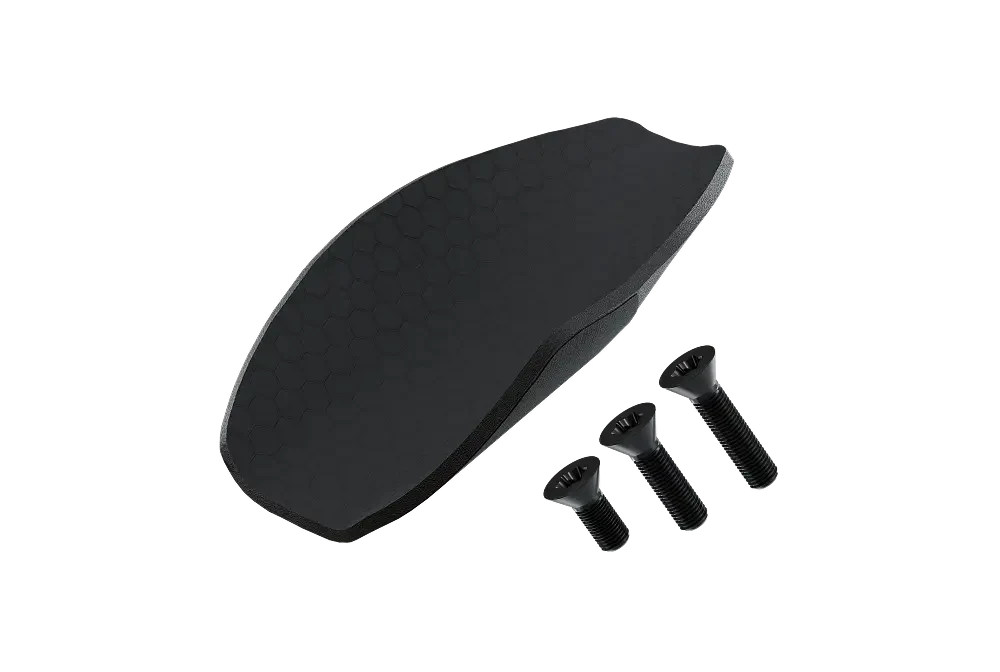
For athletes who already have compatible extensions and want an ergonomic arm-support upgrade, TAO X3 offers carbon armrests, removable foams and adjustable support on compatible Dual Stack bikes. Product choice must follow the bike interface and the athlete's position rather than race distance alone.
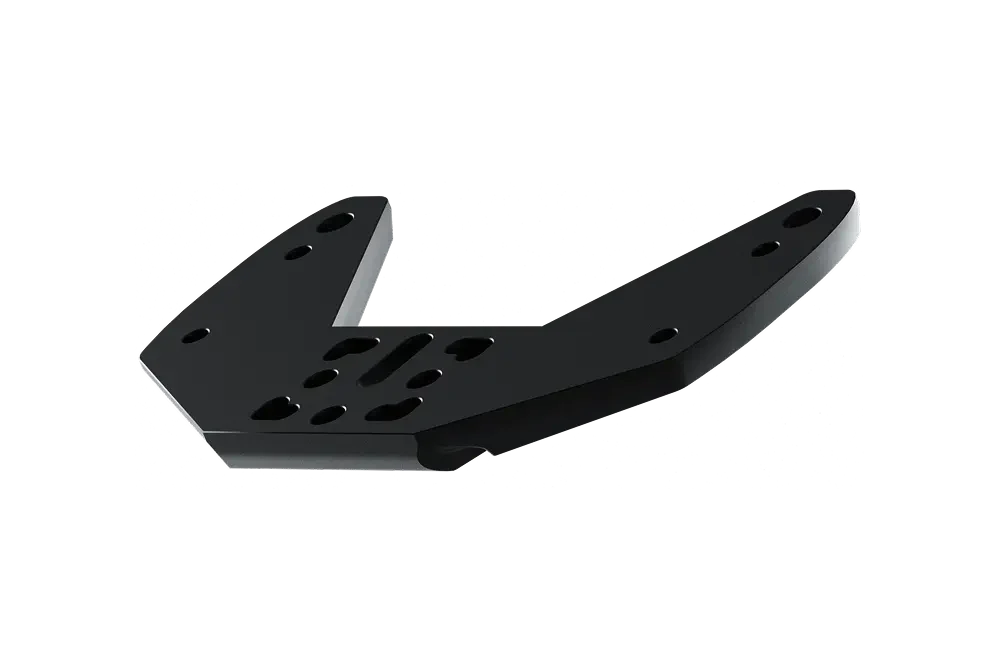
Before ordering or changing hardware, use our Compatibility Guide. Some bikes accept a direct installation while others require a specific plate. Once the interface is confirmed, the Masamune configurator helps define the mounting, angle, grip and accessory route. Follow the Assembly Guide for the exact setup and use the documented components and tightening instructions.
| Race need | Setup response | Tetsuo resource |
|---|---|---|
| Long uninterrupted aero sections | Distribute forearm pressure and keep shoulders quiet | Masamune |
| Neutral wrists under fatigue | Test measured angle options rather than improvised spacing | K Wedges |
| Correct structural interface | Confirm direct mounting or the required plate | Compatibility Guide |
| Accessible hydration and data | Keep bottles and the computer within a natural hand and sight line | Accessories |
| Repeatable race-week rebuild | Record measurements and follow the correct assembly sequence | Assembly Guide |
The opening kilometres should feel controlled. Heart rate may still be elevated from the swim and transition, while crowded sections can encourage unnecessary acceleration. Find the pads, establish breathing, begin nutrition and let speed build from position and steady pressure.
Use the middle of the course to reduce variability. Hold power through small changes in gradient, avoid surging after every slower rider and stay calm when the wind changes. Average speed may move while execution remains correct.
The final part of the bike should preserve posture and cadence. Avoid pushing a larger gear simply because transition is approaching. Check that the shoulders are relaxed, finish the planned intake and prepare the feet and hips for the change in movement.
Begin with repeatable 15 to 20 minute blocks and extend them until you can hold race-specific effort for long periods without shoulder rise, wrist tension or loss of head stability. The quality of the position matters more than recording uninterrupted time on the pads.
Use safe, exposed roads to test changing wind, light hand pressure and deliberate movement between the extensions and controls. Wheel choice, tyre pressure and position should be validated as one system.
Train with the exact bottles and computer position planned for race day. Practise the full drinking movement while holding a stable line and solve any conflict between the grip, bottle and mount before travel.
Brick sessions should reproduce the transition from continuous aero power to flat running. Start the run under control and focus on cadence, posture and breathing. If the hips, lower back or hamstrings feel restricted immediately, review bike position and pacing rather than assuming the problem is only running fitness.
Málaga-Costa del Sol Airport is approximately eight kilometres from the city centre. The C1 commuter train links the airport with Málaga María Zambrano in about eight minutes and Málaga Centro Alameda in about twelve minutes under normal operation. Athletes travelling with a large bike case should check lift access, service changes and the practical space available before relying on public transport.
Málaga María Zambrano also receives high-speed and long-distance rail services. When booking, confirm the operator's current bicycle and oversized-luggage conditions rather than assuming that a bike case is treated like a standard suitcase.
Accommodation near the historic centre, Paseo del Parque, the port or Malagueta can reduce race-week transfers because the swim, transition, run and finish are concentrated around central Málaga. The best location depends on the final check-in venue, bike racking schedule and road closures, so compare the official map with the walking route from the hotel.
Before packing, photograph the cockpit from the side, front and above. Record pad width, pad reach, extension exposure, tilt, bottle angle and computer position. Add reference marks that cannot be confused during reassembly.
Complete the build with enough time for an outdoor test. Verify steering, braking, shifting, bottle retention, computer visibility, pad security and every mounting point. Our guide on installing triathlon aerobars provides a structured compatibility, mounting and validation process.
Race week is for confirming a tested setup, not discovering a lower stack or new grip angle. Check the official schedule, athlete guide, transition access and road restrictions. Then complete a short ride that verifies function without creating fatigue.
Inspect the front end again after that ride. Our guide to triathlon aerobar maintenance explains how cleaning, hardware inspection and foam checks protect a repeatable position.
The harbour swim, Paseo del Parque transition, Malagueta run and Calle Larios finish are concentrated around central Málaga. Supporters should choose a few viewing points, use the two-lap run for repeated sightings and reach the finish area early. Final access must be checked against the official race-week maps because barriers and road closures may alter walking routes.
The official planning figures indicate air temperatures around 18°C to 26°C and water near 20°C. Prepare for a mild start, a potentially warm run and changing coastal wind, but use the final forecast and official wetsuit communication for race decisions.
| Checkpoint | What to verify | When |
|---|---|---|
| Compatibility | Correct interface, plate and hardware for the bike | Before ordering or making a major change |
| Forearm contact | Even support, secure foam and no concentrated pressure | During every long race-specific ride |
| Reach and angle | Relaxed shoulders, neutral wrists, clear vision and stable control | Finalised several weeks before the race |
| Hydration | Easy access, reliable retention and no steering conflict | Tested at race effort outdoors |
| Computer | Visible data with limited head movement | Confirmed before taper week |
| Fasteners | Correct parts, sequence and documented tightening instructions | After assembly, after test rides and before racking |
| Travel references | Photos and measurements for rebuilding the same position | Before the bike enters the case |
| Final ride | Braking, shifting, steering, bottle retention and pad security | After arrival and before bike check-in |
A low-elevation course can still create a hard bike split because the pedals rarely stop and speed encourages overpacing. Train sustained power and position endurance rather than preparing only for a fast average.
A new angle or reach may feel promising during a short ride but create pressure after 60 km. Complete meaningful changes early enough to test them outdoors, under fatigue and with the full hydration system installed.
Accessories affect hand movement, visibility and sometimes steering. Install the full race configuration before long rehearsals. A tidy cockpit is only useful when every item can be reached safely.
Do not chase identical speed when the wind changes. Hold the tested effort, keep the hands and shoulders relaxed and use the final kilometres to prepare cadence and posture for the run.
The protected swim, closed bike roads, flat run and compact city layout make Málaga attractive for a first 70.3. Athletes still need open-water confidence, steady 90 km pacing, tested nutrition and a cockpit that remains comfortable under continuous load.
The race is scheduled for Sunday 18 October 2026 in Málaga, Spain. Athletes should confirm check-in, briefing, racking and start times in the final athlete guide.
The event includes a 1.9 km swim, a 90 km bike leg and a 21.1 km run, for a total distance of 113 km or 70.3 miles.
Yes. The organiser describes a single-loop 90 km coastal course with approximately 250 metres of elevation and fully closed roads. The low climbing total makes sustained aero position and controlled power especially important.
The event uses one large transition area at Paseo del Parque. The two-lap run follows the Malagueta promenade and finishes on Calle Larios in central Málaga.
General registration is sold out as of 4 August 2026. Use the official event page for any later entry opportunities, transfer information or waiting-list communication.
A suitable setup provides complete forearm support, neutral wrists, stable control and easy access to hydration and data. The exact product and geometry depend on the athlete and bike interface, so compatibility and fit must be confirmed before ordering or changing hardware.
Complete meaningful changes several weeks before the event. Validate them during long outdoor rides, race-intensity intervals, nutrition rehearsals and brick sessions. Taper week should preserve a tested position.

GETTING YOU FASTER
Configure your Masamune