


Guide to Prepare for the IRONMAN 70.3 Valencia


IRONMAN 70.3 Valencia is a middle-distance race that demands efficiency: an early-morning sea swim, a bike leg where you must hold steady power without spikes, and a half marathon where every hydration mistake gets punished. In this guide you’ll find event context, what to expect from the course, and how to fine-tune gear and logistics so you arrive at the start line with everything under control.
Valencia is a venue built for fast racing without sacrificing a big-event experience. The 70.3 format adds up to a 1.9 km swim, 90 km bike, and 21.1 km run. It’s not a distance to wing, but it’s a very logical step up: it forces consistency, solid fueling on the bike, and disciplined running when your body is already hot.
On the middle-distance calendar, the race stands out for its mix of urban scenery, easy access, and a course that rewards aerodynamics and smart effort management. You’ll typically see a very competitive age-group field alongside athletes making their 70.3 debut who want a circuit where logistics aren’t a headache.
The next edition is scheduled for Sunday, April 19, 2026, with the event spread between the seafront area and the finishing section around the City of Arts and Sciences. Registration and the expo are concentrated in La Marina, which makes getting around on foot on race weekend easy.
To get there, Valencia Airport is only a few kilometers from the city center and the city has high-speed rail connections with Madrid. If you’re traveling with a bike, consider accommodation where you can assemble and store your gear calmly. On race day, plan for road closures and get into the area with plenty of time.
The swim is 1.9 km in a single loop, starting and finishing at Malvarrosa Beach. The organization expects a water temperature between 16 and 17 °C, a typical April range that makes a wetsuit the most common choice for comfort and buoyancy.
The key point is to exit the water with your heart rate under control. If you force the pace to gain a few seconds at the first buoy, you’ll usually pay for it later on the bike. Aim for a steady rhythm, breathe well, and pick a clean line even if it’s slightly longer.

The bike leg is 90 km with a rolling profile and exposed sections. The course favors holding an aero position for long periods—as long as your cockpit is comfortable. On this type of circuit, the winner is the one who sustains, not the one who surges. The priority is steady power and saving legs for the run.
If wind shows up, decide your strategy early: dial back ambition a notch into headwinds and take advantage of tailwinds without turning it into a chase. In the 2025 athlete guide, the run segment shows a total elevation gain of 180 m, which hints that consistency is the real key here.

The run is 21 km and, in recent editions, it has been set as 2 laps. The terrain is urban and fast, with sections where crowds make it easy to get carried away. The 2025 athlete guide marks aid stations around km 1.4, 3.1, 5, 7.2, 9.1, 10.7 and, on the second lap, 12.4, 14.4, 16.6, 18.4, 19.6 and 21.2. That makes it possible to plan sips and gels with precision.
One detail worth keeping in mind is the run cut-offs shown in the same guide: 7 hours and 5 minutes at a reference point and an overall cut-off of 8 hours 30 min for individual time. It’s not meant to scare you—it’s so you know there’s margin if you hold a reasonable pace and don’t implode from under-fueling.

In Valencia, April typically sits around average highs near 21 °C and average lows around 12 °C. The coast moderates how it feels, but the change between early morning and midday is noticeable—especially if you come out of the swim wet. According to WeatherSpark, daily highs rise slightly through the month and the sea surface temperature increases gradually from about 14 °C toward 16 °C.
For the sea, a useful reference is the average April water temperature of 15.7 °C. That aligns with the event’s operating range and explains why a well-chosen wetsuit that doesn’t chafe is a real advantage early in the day.
| April variable | Typical range | Practical implication |
|---|---|---|
| Air | 12 to 21 °C | Cool start, mild run—adjust layers for warm-up |
| Water | 15 to 17 °C | Wetsuit recommended; cap and anti-chafe (e.g., Vaseline) on neck if sensitive |
| Wind | Variable | Avoid power spikes into headwinds and prioritize stability |
The strategy that works best here is simple: exit the water without debt, ride with steady power, and run controlled pace until km 10. From there, if you’ve fueled well, you can start building your run. If not, you’ll be surviving.
In the swim, choose an intensity that lets you change gears if there’s contact without panicking. On the bike, avoid the most common mistake: pushing because you feel fast. Speed lies when the wind is favorable. What matters is the energy you burn to sustain it. On the run, use aid stations like a metronome—small sips at most of them reduces the risk of emptying out at the end.
If you want a practical framework, think in three goals. First, exit the water breathing normally. Second, arrive at T2 with legs that accept running. Third, run the first 5 km as if you were warming up, so your heart rate doesn’t spike.
On the bike, the best result often comes from constant power through the middle of the course, keeping enough margin to respond to wind without going into the red. On the run, if you’re feeling good, the best time to push is often from km 14 to 18, when many athletes start losing pace due to low salts and carbohydrates.
On a fast, rolling course, aerodynamics isn’t a nice-to-have—it’s the factor that determines how much each kilometer costs you. The difference between a tidy position and an open posture translates into watts you pay for more than two hours. The key is being able to hold your aero position without pain in wrists, neck, or lower back.
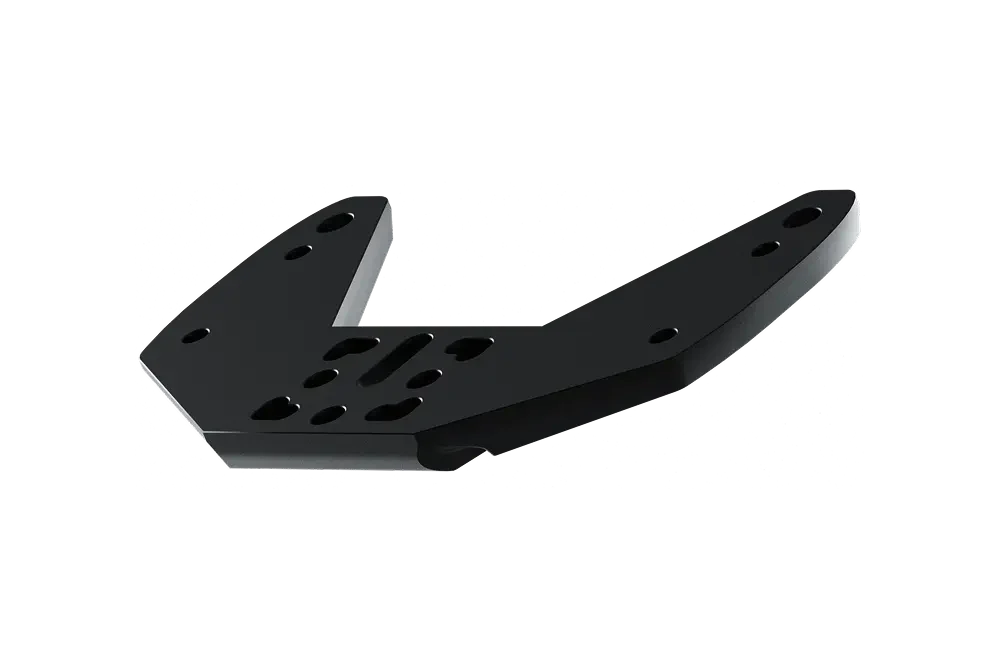
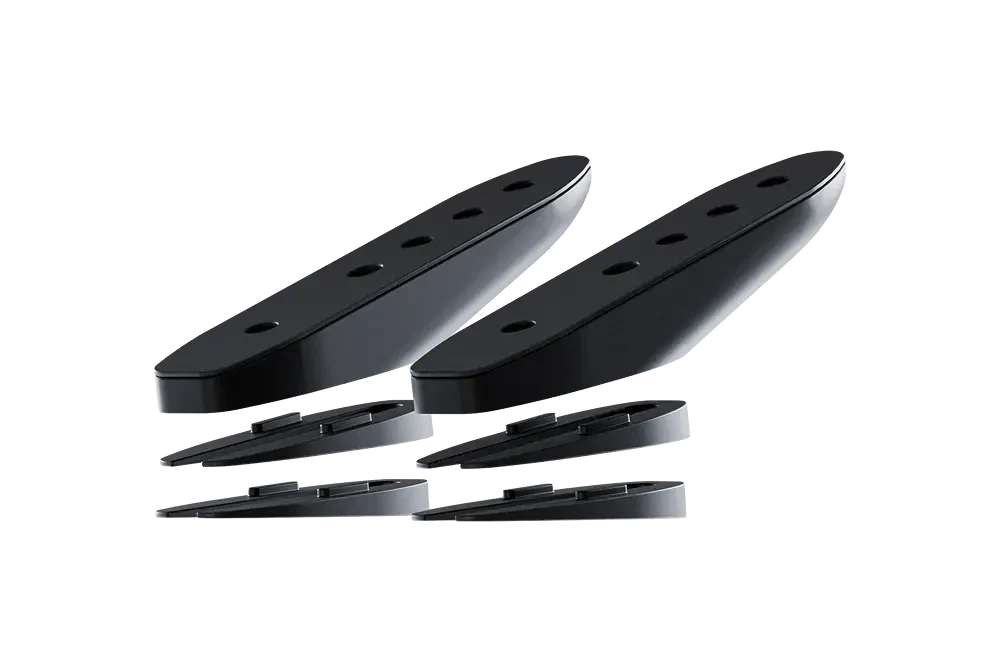
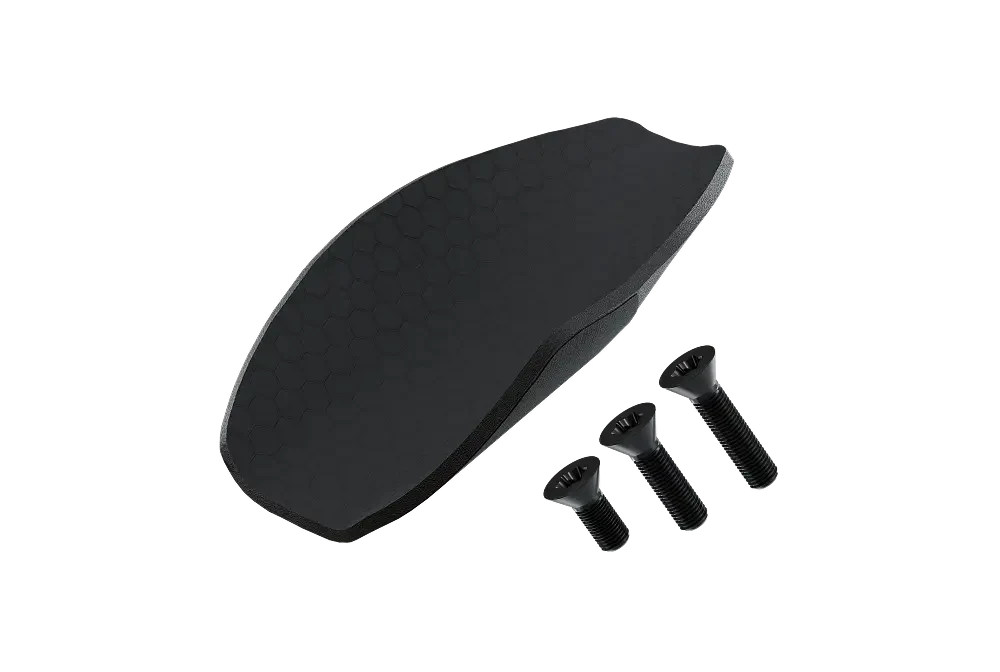
If your cockpit forces you to move or sit up every few minutes, you lose speed and spend more energy. That’s where a stable, ergonomic setup sets the tone for the day. At Tetsuo, you can configure Masamune to match your bike and how you rest your forearms, and complete the build with plates, wedges, and spares from our components collection. Before you buy, check compatibility and, if you already have it at home, follow the assembly guide.
The gear that helps most in a fast middle-distance race is whatever lets you sustain position and power without beating up your back. A well-fit tri bike (or a properly set up TT position) is the foundation, but the details are in the cockpit: forearm support, width, stack, and angle that let you breathe and look ahead without tension.
If you expect wind, prioritize control over radical setups. A very deep front wheel can be fast in ideal conditions, but if gusts push you around, you’ll end up wasting extra energy. For clothing, choose a suit with a good fit and make sure it doesn’t create chafing at the neck, underarms, or inner thigh.
For peace of mind, the best move is to sleep close to the weekend’s key points. La Marina is a convenient option for bib pickup and the expo. Another useful alternative is staying somewhere with good access to transition and the finish area.
Look for accommodation with flexible breakfast hours, space to assemble your bike, and the ability to store gear without stress. If you’re traveling with family, prioritize areas where they can move around on foot and watch multiple points on the course without relying on a car.
The key isn’t finding a special place—it’s repeating what you already know sits well. In the two days before, focus on simple, well-tolerated carbohydrates and keep protein and vegetables in without overdoing them. Avoid experiments with spicy or very fatty meals.
On race day, eat the breakfast you’ve practiced and leave enough time to use the bathroom calmly. After the finish, get carbs and protein in as soon as you can, and keep drinking even if you’re not thirsty. That habit helps recovery more than any trick.

If you arrive early, the beach area lets you get in the water to dial in feel—always cautiously and without pushing it. For an easy run, the old Turia riverbed is a great option because it’s long, flat, and offers plenty of shade in some sections.
On the bike, the smart move is short and easy. A couple of pickups to wake the legs and you’re done. You’re not building fitness—you’re building confidence and making sure everything works.
Race morning is logistics. Prep your gear the night before and have a simple access plan. Arrive early, do only what you need, avoid extra walking, and don’t run out of time over tiny details.
If your accommodation is close, walking is usually the easiest. If you depend on transport, expect detours. The key is arriving at the start calm.
| Category | Essential | Easy to forget |
|---|---|---|
| Swim | Wetsuit, goggles, double cap if you get cold easily | Anti-chafe for neck and underarms |
| Bike | Helmet, shoes, race bib, bottles, repair kit | Derailleur hanger, batteries, torque wrench |
| Run | Shoes, socks, cap | Anti-chafe, elastic laces, salts |
| Documents | ID, license if applicable, registration confirmation | Health card and insurance |
One advantage of racing here is that the city offers easy plans for anyone traveling with you. The City of Arts and Sciences area makes it easy to soak up the finish-line atmosphere and move around comfortably. The historic center and the seafront promenade are simple plans that don’t require a car.
On race day, it’s best for your companion to pick two or three clear spots to see you and not try to cover everything. Fewer transfers means less stress for everyone.

The atmosphere is intense and very triathlon. There’s a lot of enthusiasm and a concentration of athletes chasing performance, so you feel the energy from Friday at the expo. The urban run course usually concentrates spectators, which helps—but it can also make you speed up without realizing. Stick to your plan.
The first is pushing on the bike because you feel fast. The second is fueling late or not enough. The third is starting the run above your target pace because the environment pulls you along. If you avoid those three, the race becomes much simpler.
Another common mistake is arriving with a poorly adjusted cockpit. On a course that invites you to stay aero, any discomfort gets amplified. If you want to dive deeper, we have helpful resources on our blog, like the 2026 triathlon aerobars definitive guide and the article on mistakes when choosing your cockpit.
It’s a very reasonable option if you have a solid base and you’ve practiced nutrition. The urban setting reduces uncertainty and the logistics are fairly concentrated. Still, debuting here doesn’t mean it’s easy. The key is arriving with a conservative plan and executing it without improvising.
If you’re racing, stop by our space in the expo area to see the product in person and check compatibility. You can try configurations, get technical questions answered, and leave with a cockpit adjusted to how you support yourself. That way you arrive at the start with less uncertainty and more control. Remember you can also buy our products at our booth and avoid customs duties.
The 2026 edition is scheduled for April 19.
The organization expects a range of 16 to 17 °C, with April averages around 15.7 °C.
It’s mostly urban and fast, with a stated total elevation gain of 180 m in the 2025 athlete guide.
The 2025 guide describes it as a 2-lap course.
A comfortable, stable aero position. If you’ll be on a tri bike for a long time, cockpit ergonomics are the difference between running well and surviving.
Use aid stations as reference points and drink small sips at most of them, adding electrolytes if you sweat a lot.

GETTING YOU FASTER
Configure your Masamune