


How to race IRONMAN 70.3 Portugal Cascais 2026 with a stable cockpit


IRONMAN 70.3 Portugal Cascais 2026 takes place on Saturday 17 October in Cascais, Portugal. The race combines a one-loop 1.9 km swim in the protected bay, a rolling 90 km bike course with 771 m of elevation gain and a two-loop 21.1 km coastal run with 127 m of elevation gain. The official course page currently lists typical air temperatures from 16°C to 24°C and an average water temperature of 18°C.
Cascais is not a course where one isolated number decides the race. The bike moves from the Atlantic coast toward the Serra de Sintra, includes the Estoril circuit and continues toward Lisbon before returning to Cascais. That variety means position, pacing and handling have to work together. A front end that feels fast on a smooth straight must also stay controllable when the road rolls, the wind changes or the athlete needs to drink without breaking rhythm.
At Tetsuo, we approach this race through repeatability. The fastest cockpit is the one you can return to after every turn, climb, descent and bottle reach. The goal is not to hold an extreme posture for ten minutes in training. It is to support the forearms, keep the hands calm, breathe freely, see the road and preserve enough control to run well after 90 km.
The organiser has published the core race and course information for 2026. Course maps remain subject to change, so use the official IRONMAN 70.3 Cascais page as the final reference for operational updates, maps and the athlete guide.
| Detail | Confirmed information | Preparation impact |
|---|---|---|
| Date | Saturday 17 October 2026 | Plan for an autumn Atlantic race and check the final forecast during race week |
| Location | Cascais, Portugal | Expect a compact race centre with the sea, transition and town close together |
| Swim | 1.9 km, one loop from Ribeira Beach through the protected bay | Practise sighting, a controlled start and a decisive transition onto the bike |
| Bike | 90 km, rolling profile, 771 m elevation gain | Train steady power over repeated rises and prepare for exposed coastal sections |
| Run | 21.1 km, two loops, 127 m elevation gain | Protect the legs on the bike and rehearse running efficiently in coastal wind |
| Typical temperatures | 16°C to 24°C air, 18°C average water temperature | Prepare for a cool swim start with potentially mild conditions later in the day |
| Registration | General and relay entries are sold out at the time of writing | Registered athletes should focus on race-week logistics and official updates |
The 2026 athlete guide has not yet been published at the time of writing. Do not build a final plan around previous-year check-in times, aid-station details or transition procedures. Confirm those elements when the organiser releases the current guide.
IRONMAN 70.3 Portugal Cascais 2026 rewards athletes who can change terrain without changing their level of control. The swim is sheltered compared with open Atlantic water, but the bike and run leave the centre of Cascais and expose the athlete to rolling roads and coastal conditions. The best race is built around smooth transitions between these demands.
The one-loop swim starts at Ribeira Beach and moves around the protected bay toward the Fortaleza at Clube Naval. Water temperatures in October are listed by the organiser between 17°C and 19°C. That makes pre-race acclimatisation and a calm first few minutes important. A hard opening that raises breathing too quickly can make the transition ramp and first bike kilometres feel harder than necessary.
Train the first 200 to 400 metres of open-water sessions with deliberate control. Practise lifting the eyes without dropping the hips, then return to a relaxed stroke immediately. The aim is to exit the water ready to make decisions, not just happy to have survived the first discipline.

The official course description takes athletes along the Guincho road, near Guincho Beach, toward Malveira and the Serra de Sintra, through the Blue Lagoon area and the Estoril circuit. The route then continues toward Lisbon, passing major landmarks before returning to Cascais. With 771 m of elevation gain, this is not a flat 70.3 bike leg.
That profile changes how the cockpit should be used. Stay aero when the road and traffic conditions allow it, but do not force the position when visibility, gradient or handling would improve with a different posture. Every exit from aero should have a reason. Every return should feel automatic. The athlete who can reset quickly after a rise or corner spends more total time in a useful position without creating tension.

The run leaves Cascais along the Guincho road toward Cabo Raso and returns through the race centre, with two loops and 127 m of elevation gain. The organiser specifically notes that the course can be challenging on a windy day and highlights the spectator support around Marina de Cascais.
The first lap should feel controlled. If the bike has included repeated power spikes, late nutrition or long periods sitting up into the wind, the cost usually appears here. Run pace should come from a bike leg that was disciplined enough to preserve cadence, breathing and leg speed.

A rolling 90 km course invites athletes to chase speed on every rise. That is usually the wrong problem to solve. The objective is to keep effort inside a range you can repeat, then use the terrain without turning each climb into a short time trial. A few unnecessary surges can look harmless on the bike computer and still make the final 7 km of the run much more expensive.
Approach each rise with the gear already selected and cadence under control. Let power increase only as much as your race plan allows. Over the crest, continue pedalling smoothly until speed returns instead of stopping the effort immediately. This creates a cleaner transition from climbing to aero riding and reduces the temptation to sprint every change in gradient.
On descents, use the cockpit only when the road is predictable and your control is complete. Speed is valuable, but confidence is part of speed. If gusts or road changes make the front end feel nervous, a slightly more conservative posture can be faster overall because it avoids braking, steering corrections and muscular tension.
Coastal wind should change your decisions before it changes your ambition. Keep the shoulders loose, reduce unnecessary grip pressure and look far enough ahead to anticipate movement. A tense upper body makes every gust feel larger. If you have to leave aero, do it early and deliberately, then return once the bike is settled.
This is why we do not recommend making the front end more aggressive just because the course has fast sections. A position that saves drag only matters if you can keep it when the wind, road and race tasks are real.
For IRONMAN 70.3 Portugal Cascais 2026, the cockpit should help you stay stable through long straights while preserving enough mobility for the rolling sections. Start with the support points. The elbows and forearms should feel planted, the wrists should not be forced into an angle that creates tension and the extension reach should let you relax the hands instead of hanging from them.
If you are changing the front end before Cascais, record the current measurements first. Our guide to triathlon aerobar measurements explains how to document hole distance, pad position, reach, width, stack and tilt so a successful setup can be rebuilt after travel or maintenance.
Pressure should be distributed across the support surface rather than concentrated at one small point. When support is stable, the hands can stay lighter and steering inputs become smaller. Wrist angle matters for the same reason. If the hand position forces constant extension or rotation, tension travels into the forearms and shoulders.
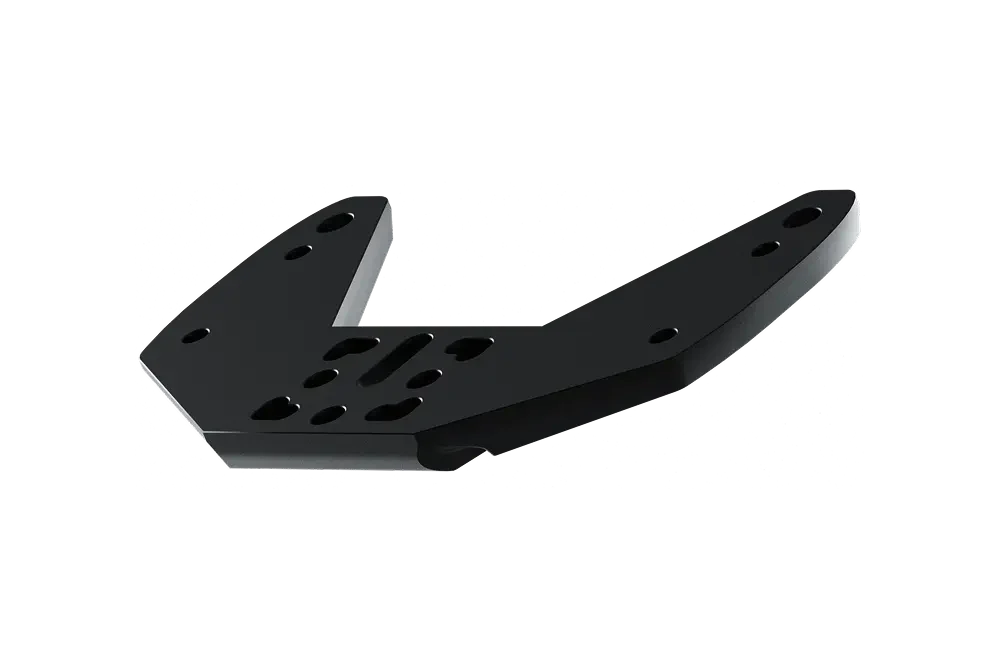
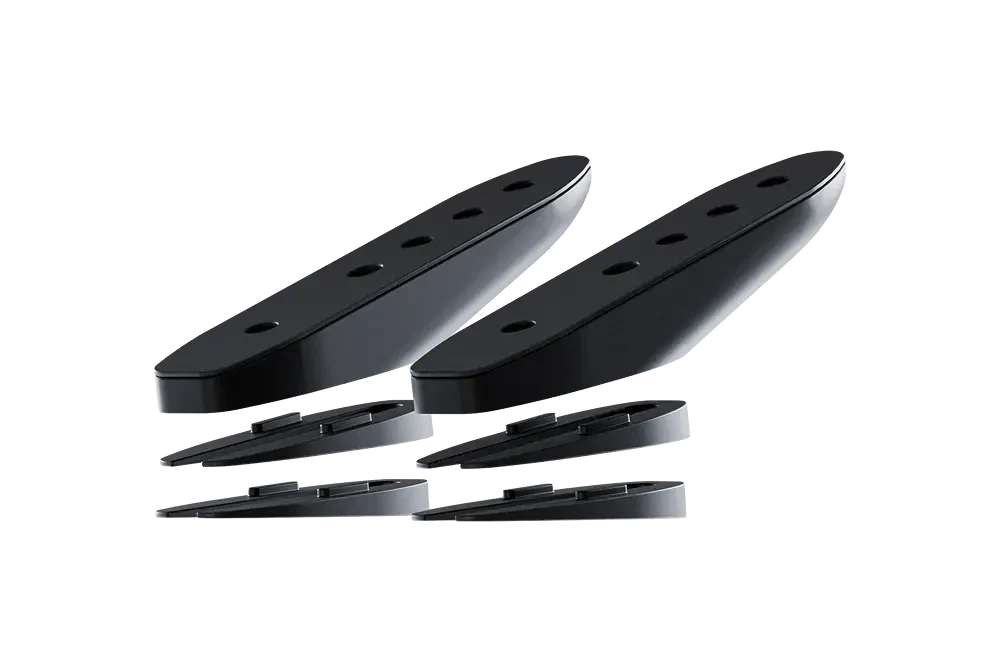
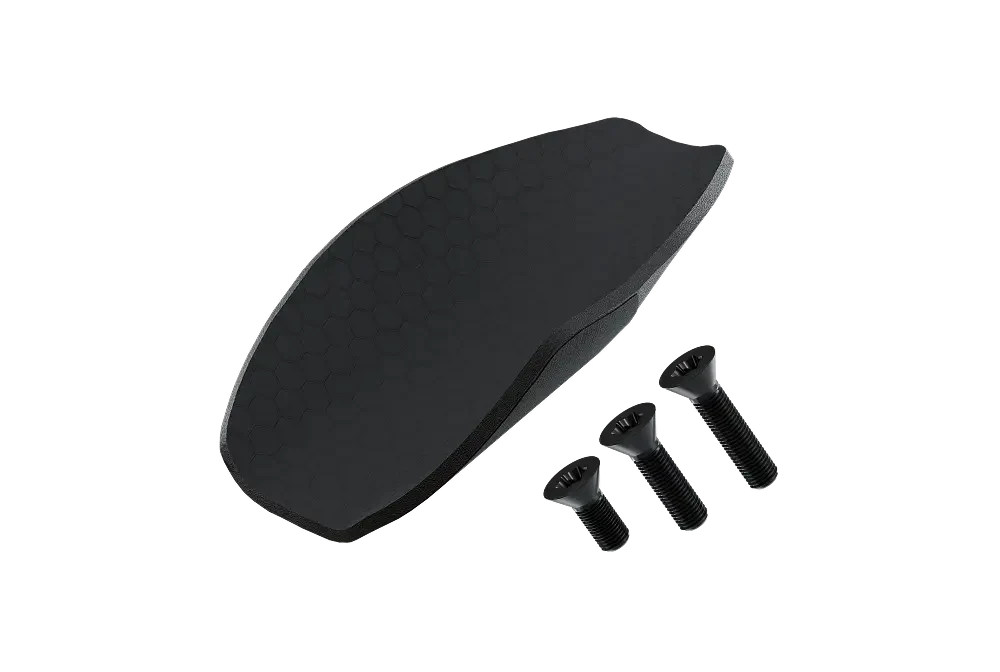
Our Masamune system uses a unidirectional carbon body, removable ARAI foam, adjustable hand position and K Wedge options for 10°, 15° or 20° of tilt. The useful configuration is the one that supports your real riding posture. Do not select the maximum tilt because it looks faster in a static photo.
Mechanical compatibility comes before fit preference. Use our Compatibility Guide to confirm the mounting architecture and dimensions of your bike. Masamune supports major Dual Stack platforms within its stated mounting range and can use dedicated plates on listed Central Stack bikes. TAO X3 is designed for compatible Dual Stack bikes and uses carbon armrests with removable foam and adjustable support.
If you are installing a new system, follow a measured sequence instead of improvising. Our guide on how to install triathlon aerobars starts with compatibility, establishes a baseline and then moves through the hardware in a repeatable order.
Hydration is part of cockpit design because every bottle reach changes posture. If the bottle is too low, too far away or difficult to return to the cage, the athlete delays drinking or sits up more often. Both problems are avoidable when the front end is built around access as well as drag.
Our adjustable Bottle holder lets the bottle angle follow the athlete's hand path. For riders who need more fluid capacity, the Bottle holder plus Bottle holder bar provides a rigid aluminium structure for one to three bottles using standard bottle cage mounts.
Before race week, rehearse the exact sequence you will use on the Cascais bike course. Stay in aero, take the bottle, drink, replace it and return the hand to the grip without looking down for longer than necessary. Our full guide to aerobar hydration explains how to position bottles around access, stability and race duration.
Fitness is only one part of preparation. The final training block should also make the race tasks automatic. Use sessions that connect pacing with cockpit behaviour so you learn what happens to the position when the road rolls, the wind increases or fatigue changes the way you support the upper body.
| Session | Main objective | Cockpit check |
|---|---|---|
| 2 to 3 hour rolling ride | Hold race effort across repeated rises | Return to the same forearm contact after every climb |
| Long aero intervals | Build sustainable position time | Relax the hands, keep breathing open and check neck comfort |
| Windy outdoor ride | Practise control in changing conditions | Reduce grip tension and decide when to leave or re-enter aero |
| Race hydration rehearsal | Drink on schedule at realistic intensity | Reach and replace bottles without lifting the torso unnecessarily |
| Bike-to-run brick | Protect the opening run kilometres | Confirm that the aero position does not leave the hips or upper body excessively tight |
One valuable test is a continuous block of 60 to 90 minutes near planned 70.3 effort with all race accessories installed. Use the same bottles, computer position and nutrition storage you expect to use in Portugal. If the cockpit becomes noisy, uncomfortable or difficult to use, fix the problem while training still gives you time to validate the change.
Do not use race week to discover a new position. The final days should preserve the setup that has already passed long rides, race-effort intervals and hydration practice. Our triathlon aerobars maintenance guide gives a broader routine for cleaning, inspection and travel.
If anything feels different after travel, compare the bike with your reference photos and measurements before making a new fit decision. A small assembly error can feel like a position problem. Restore the known baseline first.

The official race-week information places transition at the Citadel Platform and athlete check-in and the expo at the Marechal Carmona Parking Lot. These details can help you choose accommodation and plan movement around race weekend, but the final athlete guide should still control your schedule.

Visit the swim start, transition entry and bike exit before race morning. The official course information describes a transition route from the swim exit toward the bike area and uses the same transition zone for the second transition. Knowing the direction of movement removes small decisions when heart rate is high.
Also study the first and final kilometres of the bike. The objective is not to memorise every corner. It is to know when you can settle into aero, where you may need more control and how quickly the road begins to ask for climbing or handling decisions.
The organiser lists a typical low air temperature of 16°C, a typical high of 24°C and an average water temperature of 18°C. Treat those numbers as planning references, not a forecast. Check the final weather and water information during race week and follow the organiser's wetsuit and equipment rules.
Practise the clothing and warm-up routine you expect to use. A cool swim start can make the first bike minutes feel different from an indoor session, while a mild afternoon can increase fluid demand. The safest strategy is to arrive with a plan you have already tested across more than one temperature range.
We do not choose equipment for IRONMAN 70.3 Portugal Cascais 2026 by race distance alone. We start with the bike interface, the athlete's measurements and the ability to repeat the position under real course tasks. The table below shows the routes we would consider for different needs.
| Need | Tetsuo route | Why it fits Cascais |
|---|---|---|
| Complete long-course cockpit | Masamune | Carbon monocoque construction, forearm support, adjustable hand position and modular wedge integration |
| Armrest upgrade on a compatible Dual Stack bike | TAO X3 | Carbon armrests, removable foam and adjustable support without replacing the full front end |
| More support angle | K Wedges | 10°, 15° or 20° options let the support angle follow the athlete's tested position |
| Front hydration access | Bottle holder | Adjustable bottle angle helps align the cage with the natural reach from aero |
| One to three front bottles | Bottle holder plus Bottle holder bar | Rigid 7075 aluminium structure supports additional carrying capacity |
| Computer visibility | Garmin/Wahoo Holder | Keeps ride data in the front-end system so the athlete can check pacing with less head movement |
Any change should be validated outdoors before the race. Install it, measure it, ride it under load and confirm that it still works when you drink, climb, descend, look ahead and start to fatigue. That process is more valuable than making a late change because a different setup looks cleaner in transition.
The race takes place on Saturday 17 October 2026 in Cascais, Portugal. The organiser lists the 70.3 and full-distance races on the same date, so athletes and supporters should follow the event-specific schedule in the final athlete guide.
The official course page classifies the bike as rolling and lists 771 m of elevation gain. The route combines coastal riding, the Serra de Sintra area, the Estoril circuit and a section toward Lisbon. It rewards steady power, clean handling and the ability to return to aero after repeated terrain changes.
The organiser lists an average water temperature of 18°C and states that October water temperatures can vary between 17°C and 19°C. Actual race-day conditions can differ, so use official race-week communication for the final water reading and wetsuit rules.
General and relay entries are listed as sold out at the time of writing. The official registration page allows athletes to sign up for notifications if additional opportunities become available. Do not rely on unofficial resale or transfer information.
Repeatability. The course includes rolling terrain, wind exposure, hydration tasks and frequent transitions between aero and more upright control positions. A useful cockpit lets you return to the same forearm support, hand position and visual field without fighting the bike. Confirm compatibility first, then refine reach, tilt, support and accessories through training.

GETTING YOU FASTER
Configure your Masamune