


Racing the Next Ironman Austria: Course, Travel, Strategy and Setup Guide


Ironman Austria is set for Sunday, June 14, 2026 in Klagenfurt, with the swim start at Strandbad Klagenfurt, transition at the university parking area, and the finish line at Metnitzstrand. The winning approach is straightforward. Arrive with a clear read on the course, a pacing plan that protects the marathon, and a cockpit that lets you stay aero without turning the final hour into a fight against your own upper body. That is how we think about long-course performance at Tetsuo.

| Key detail | What to know |
|---|---|
| Date | Sunday, June 14, 2026 |
| Format | Full-distance triathlon |
| Swim | 3.8 km in Lake Wörthersee, finishing through the Lendkanal |
| Bike | 180 km through Carinthia with changes of rhythm, climbs, and descents |
| Run | 42.2 km, flat and spectator-friendly through the city and along the lake |
This is one of the classic full-distance races on the European calendar. Klagenfurt gives it a rare balance. The swim is scenic, the bike rewards restraint more than ego, and the run is easy for spectators to follow. It also suits different athlete profiles. Fast age-groupers come for a serious day out. Many debutants look at it because the venue is readable and the atmosphere is supportive.
The next edition takes place on Sunday, June 14, 2026. The official start area is Strandbad Klagenfurt, the finish line is at Metnitzstrand, and the wider event venue sits behind Europapark. Transition is at the university parking area, which keeps race-morning movement simpler than at venues that split the race across several towns.
Klagenfurt Airport is the easiest flight option. Vienna works if you want more international connections and Ljubljana is also practical from elsewhere in Europe. If you prefer rail, Klagenfurt main station sits in the city center. By car, the venue is well connected to the main highways, but race-week traffic near the lake will still reward an early arrival.
Our advice is to avoid building race week around complicated transfers. The more steps there are between airport, hotel, bike build, and venue, the more energy disappears before the race even starts. In full distance, that hidden fatigue matters.
The swim covers 3.8 km in Lake Wörthersee and finishes through the Lendkanal. The lake setting is usually calmer than a sea start, but that can tempt athletes into going out too hard. The age-group field uses a rolling start, so the best move is to seed honestly, settle the breathing early, and hold clean lines instead of chasing pointless contact.

The bike is 180 km and the course deserves more respect than a simple badge can suggest. On the race home page, the bike is tagged as flat. In the detailed course overview, the organizers describe hilly terrain, steep climbs, and descents. The practical takeaway is simple. Do not prepare for a pure flat time trial. Prepare for a route that rewards patience, good handling, and controlled effort when the terrain changes.
The run is 42.2 km and the official description is encouraging. It is flat, fast, and routed through Klagenfurt city center and along the lake toward Krumpendorf. That makes it easier to manage mentally than a more isolated course, but the danger is going too quickly once the crowd noise rises. Respect the first 10 km and the final third becomes much more manageable.
The official race page lists an average high air temperature of 25 °C, an average low of 12 °C, and an average water temperature of 21 °C. The recent historical range on the course page shows why packing for one perfect forecast is a mistake. Some editions start cool and build into a warm afternoon. Others stay milder throughout.
That matters because many athletes underdrink when the morning feels fresh, then try to fix the problem later. Lakeside and open-road sections can also make the front end feel less settled than expected, so a stable cockpit matters just as much as raw drag reduction.
Pack for options rather than one forecast. A slightly cooler start layer, a clear hydration plan, and a setup you trust when the road stops feeling perfect are all more valuable than optimistic assumptions about the weather.
The broad strategy is not complicated. Swim with control. Ride below the temptation line. Start the marathon with patience. Most failures on this course come from three errors. Athletes overswim because the water looks calm. They treat the bike like a fully flat course when it is not. Then they run the early city-center kilometers on emotion instead of on fueling and pacing discipline.
Your day should feel almost boring in the first half. That is usually the sign that you are doing it right. Keep the fueling pattern steady, keep the upper body quiet, and resist the urge to turn every small rise on the bike into a statement. The athletes who race well here are rarely the ones who look the most aggressive in the opening hours. They are the ones who still look organized when the marathon begins to take shape.
Break the day into segments. On the swim, build from controlled to steady. On the bike, cap the effort on any rise and return to speed only when the road gives it back. On the run, let the first third feel almost conservative. Full-distance pacing is not about courage. It is about refusing to trade minutes later for seconds now.
If you like simple prompts, use these. Swim long, not hard. Bike smooth, not proud. Run patient, not reactive. That mindset usually keeps you close to the best version of your day even when conditions drift warmer or the field around you becomes noisy.
This route is long enough that aerodynamics only pay when comfort is part of the same equation. We frame cockpit performance in practical terms. The position should reduce drag, improve stability, and let you stay aero longer. That matters on a course like this one, where the bike keeps asking for calm posture while the road keeps changing character.
If you want maximum ergonomics and support for a committed long-course position, Masamune is the higher-performance starting point. If you want a simpler comfort-led build, TAO X3 is the cleaner option. In both cases, the goal is the same. Hold the aero position with less tension, fewer corrections, and less wasted upper-body energy.
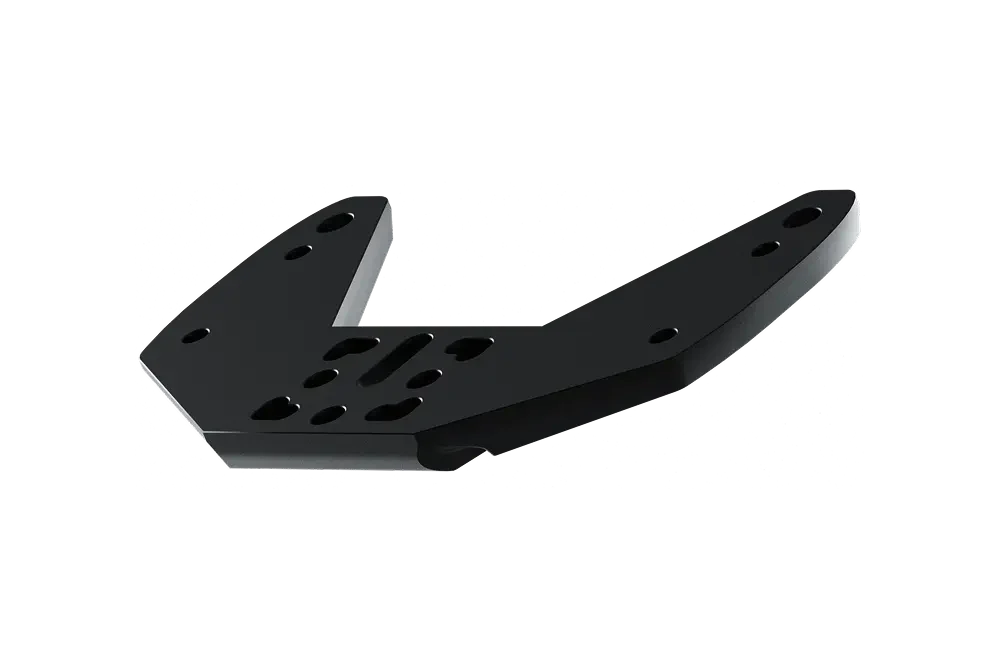
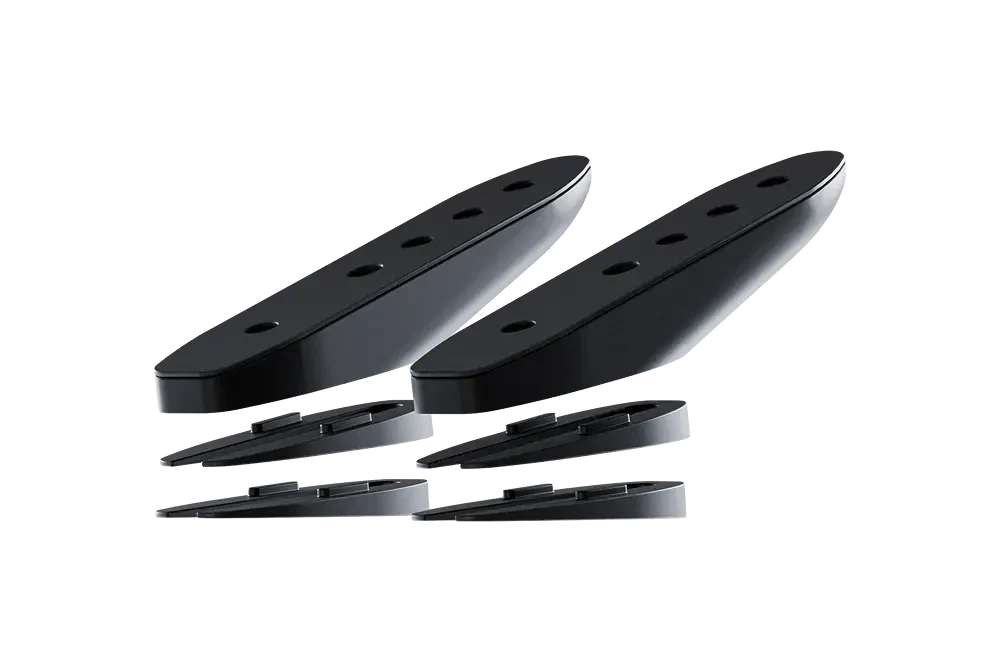
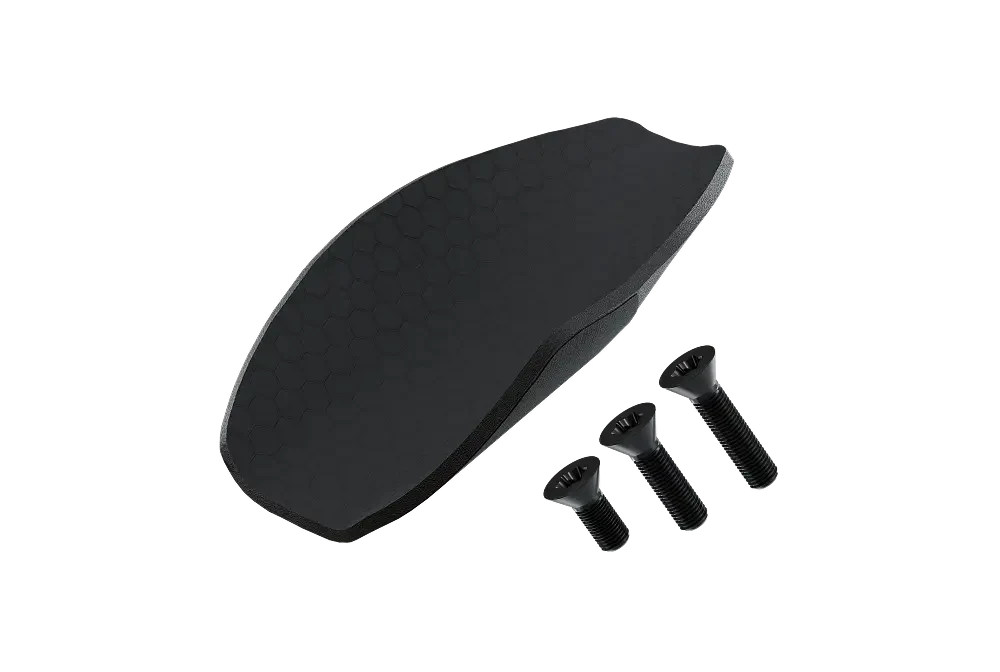
Tilt and wrist support matter as well. When the course changes rhythm, your hands and forearms should feel supported rather than braced. That is where K Wedges can help refine the front end. Before race week, confirm the hardware path in our Compatibility Guide and review our guides on aerobar measurements and aerobar position.
A triathlon bike remains the logical choice, but the best setup is not automatically the most extreme one. Because the course is not a dead-flat straight-line effort, your fastest build is usually the one that balances frontal-area reduction with stable handling and sustainable support. If there is any doubt between the more radical option and the calmer one, choose the setup you trust while staying aero.
The cockpit deserves the first share of your attention. In full distance, athletes lose more time from sitting up than from small theoretical equipment gaps. If you are still refining the build, our installation guide and assembly page help remove guesswork before travel. If you want bottles integrated into the front end, our Bottle holder bar keeps access cleaner without making the cockpit messy.
| Area | Priority | First optimization |
|---|---|---|
| Cockpit | Very high | Pad support, extension reach, wrist angle, hydration access |
| Wheels and tires | High | Control and confidence before the most aggressive option |
| Helmet and clothing | High | Use what you have tested in warm conditions |
| Storage | Medium | Keep nutrition and tools accessible without disrupting the aero position |
The easiest race week is built around the lake and the event footprint, not the cheapest room on the map. Staying near the swim start, finish area, and transition reduces stress on athlete check-in, bike check-in, and race morning. If you want a quieter base, move slightly outside the busiest streets but stay close enough for a short ride or walk to the venue.
For most athletes, the best zones are the lakefront around the race footprint and the nearby city-side areas that still allow simple access to the venue. When you compare options, think like a triathlete first. Is there enough space for the bike, a calm breakfast routine, and easy movement before dawn. Those details matter more than anything decorative in the room description.
For the final two days before the race, keep food simple. Central Klagenfurt and the market areas make it easy to find familiar carbohydrate-led meals and straightforward breakfasts. The smarter move is not hunting for novelty. Buy your race-morning staples the day before and keep them in the room. After the finish, choose somewhere close and easy rather than somewhere ambitious.
The city’s food culture around the market and old-town areas helps here because practical options are easy to find. Think pasta, rice, bread, potatoes, soft fruit, and ordinary breakfast items you already know work. Race week is not the time to test rich sauces, oversized celebratory dinners, or late meals that leave you trying to digest while you should be sleeping.
Klagenfurt is unusually practical for pre-race training. The city and tourism boards present the area as a triathlon hub, with open-water access in Lake Wörthersee, running around the local race environment, and road-bike options across Carinthia. In race week, keep it short. One easy open-water session, one light ride with race-pace touches, and one relaxed run are enough.
What matters is rehearsal, not fitness gain. Use the swim to settle breathing and sighting. Use the ride to confirm that the bike is quiet and the cockpit feels natural. Use the run to remind the legs how race cadence feels without creating fatigue you will carry into Sunday.
The official schedule opens transition from 5:00 a.m. to 6:15 a.m., with the professional start at 6:30 a.m. and age-group rolling start from 6:40 a.m. That tells you how the morning should feel. Early and direct. Walk to the venue if you can. If not, keep transport simple and arrive with time in hand. Bike check-out only opens late in the day, so both athletes and companions should plan for a long race-day window.
If you are still refining the front end, review our guide to common Ironman cockpit mistakes before you travel.
This is a good race for traveling with companions because Klagenfurt combines a walkable old town, lakeside areas, boat trips, and easy access to the eastern bay of Lake Wörthersee. During the race itself, the flatter run and the central atmosphere make athlete tracking easier than at more remote events.
Outside race hours, supporters can split time between the city and the lake without needing long transfers. That makes the weekend feel more like a proper trip and less like a one-day sporting mission. For many athletes, that balance is part of the appeal of the venue.

The event has the feel of a major full-distance race rather than a small local one. You get long-course seriousness, strong crowd support, and a venue with real history. The field usually mixes athletes chasing fast times with athletes targeting a first finish, which gives the day both intensity and warmth.
That mix changes how the race feels from the outside as well. The front of the field moves quickly, but the day never loses the sense that this is a shared long-course challenge. For many athletes, that is exactly the environment they want in a destination full-distance race.

The first mistake is misreading the bike and burning matches on every terrain change. The second is ignoring the shift from a cool morning to a warmer afternoon. The third is running the opening kilometers too confidently because the route feels fast. The fourth is arriving with a cockpit that looked fine indoors but has not been proven over long outdoor hours.
For many athletes, yes. The swim is in a lake rather than the sea, the venue logistics are manageable, the run is flat, and the atmosphere supports first-timers well. The part that deserves respect is the bike, because it teaches the right habit for long-course racing. Control first, then speed.
If your training shows that you can ride at a measured effort and still run with form afterwards, this race is a sensible full-distance debut. If your instinct is always to turn the bike leg into the whole story, it can become a difficult lesson. In that sense, the course is fair. It rewards the right version of patience.
At the time of writing, we have not published a confirmed on-site presence for the 2026 event. What we can do already is help you arrive with a faster and calmer front end. If you want to prepare before travel, start with Masamune, TAO X3, our Compatibility Guide, and the setup articles in our blog.
Usually it sits in a temperate range for June, but athletes should still prepare for the contrast between water and cool morning air.
It is better to expect a course with rhythm changes, climbs, and descents rather than a dead-flat route.
It can be, especially for athletes who pace the bike well, stay aero consistently, and protect the marathon from early excess.
Bike discipline, repeatable fueling, and a cockpit setup that you can hold without fighting it.

GETTING YOU FASTER
Configure your Masamune