


How to race Vancouver T100 2026


Vancouver T100 2026 is not just another city triathlon on the calendar. It is a 100 km race where the ocean, the coast road and the final run ask for the same thing from every athlete: a calm position, disciplined power and a cockpit that lets you stay efficient when the race starts to feel long.
The event is scheduled for 15 and 16 August 2026 at Locarno Beach in Vancouver, British Columbia. The headline 100 km format is listed as a 2 km swim, 80 km bike and 18 km run, with the 100 km race planned for Sunday 16 August. Course maps are still marked as subject to change, so the smartest preparation is to build around the confirmed demands: open-water confidence, repeatable aero posture, smooth climbing rhythm and controlled running off the bike.
The Vancouver race is part of the T100 long-distance format, a modern triathlon distance designed around speed, endurance and clear race execution. The 100 km event sits between standard short-course racing and full-distance racing. It is long enough to punish poor pacing, but short enough that every mistake in position, nutrition or transitions becomes visible very quickly.
For age-group athletes, this makes the race especially interesting. The bike leg is long enough for aerodynamics to matter, but the run still arrives with real intensity. You cannot ride it like a short-course sprint and hope to survive. You also cannot treat it like a slow survival day. The best performance comes from a setup that helps you ride fast while staying relaxed enough to run hard.
That is the way we think about performance at TETSUO. We do not see the cockpit as a cosmetic upgrade. We see it as the place where comfort, breathing, steering, hydration and power delivery meet. On a race like this, the fastest position is the one you can hold without fighting your bike.

The key information below is based on the official event details available for the 2026 race. Athletes should still check the official athlete guide before travelling, because final maps, traffic notices and race-day documents can be updated closer to the event.
| Item | Current information | Preparation impact |
|---|---|---|
| Race weekend | 15 and 16 August 2026 | Plan arrival early enough to build, check and ride the bike before race day. |
| Venue | Locarno Beach, Vancouver, BC | Expect coastal air, ocean exposure and race logistics around the beach area. |
| 100 km distance | 2 km swim, 80 km bike, 18 km run | Build training around sustained aero riding and a controlled run after 80 km. |
| 100 km start | Sunday 16 August, 6:30 AM, subject to change | Practice breakfast, warm-up and transition timing for an early morning race. |
| Bike rule | No drafting | Aerodynamic stability matters because you must create your own speed. |
| Course status | 2026 maps to be confirmed closer to the race | Use the published profile notes as guidance, then validate the final athlete guide. |
The venue gives the race a very specific personality. It is coastal, scenic and exposed enough to reward athletes who stay composed. The official event information describes an ocean swim, a bike route moving past Spanish Banks and toward the University of British Columbia area, and a run on beach pathways with city and ocean views.
The 100 km race begins with a 2 km swim in the Pacific Ocean. The official information describes a two-lap swim, with a rolling start seeded by expected swim time. That detail matters because your first minutes should be controlled, not chaotic. A rolling start can reduce congestion, but it also makes self-pacing important. You need to find clean water, settle your breathing and avoid turning the first 400 m into a fight.
Water temperature is listed in a cool range, so athletes should prepare for neoprene, cold-water entry and the first shock of the Pacific. A few open-water sessions before travelling can help you rehearse sighting, relaxed exhalation and the first strokes after contact. The goal is not to win the race in the water. The goal is to exit ready to ride.

The bike leg is the strategic heart of the race. The official notes describe four scenic laps past Spanish Banks, with the course climbing toward the University of British Columbia before descending back toward the coast. That means the ride is not a flat time trial where you lock one gear and disappear. It is more dynamic. You need a position that stays fast on open stretches, stable on descents and comfortable when the road asks you to change rhythm.
Because drafting is not allowed, there is nowhere to hide. Your cockpit has to support solo speed. A narrow-looking setup that makes you tense in the shoulders will not help for 80 km. A setup that lets you keep your head neutral, hands calm, elbows supported and nutrition within reach will.
The 18 km run is described as three fast out-and-back stretches along beach pathways. That type of run can feel mentally simple and physically direct. You can see rhythm, competition and landmarks, but you also feel every mistake from the bike. If you over-ride the climbs or come out of aero too often because the position is uncomfortable, the run will expose it.
Prepare the run as a controlled build. The first section is about posture and cadence. The middle section is about keeping the effort honest. The final section is where you can start racing the people around you. Athletes who arrive with intact hips, quiet shoulders and steady fueling have a clear advantage.

This distance rewards precision. The race is too long for aggressive improvisation and too short for passive survival. Your pacing should feel almost boring in the first half, because that is what gives you the ability to run with intent at the end.
Use the rolling start to your advantage. Seed yourself honestly, begin with a strong but sustainable cadence and avoid chasing feet that pull you above your effort ceiling. If the water feels cold, the first target is breathing control. Once breathing settles, build into your normal race stroke. A calm swim protects the first 20 minutes of the bike.
The 80 km bike leg should be paced like a single controlled performance, not four separate mini races. On the coastal sections, stay aerodynamic and let the position do its work. On climbs, avoid sharp surges that force you to recover on the descent. On descents, keep the front end stable and return to aero only when control is secure.
This is where a well-built cockpit pays back. If your forearms are supported and your wrist angle feels natural, you waste less energy stabilising your upper body. If your computer and hydration are easy to reach, you spend less time sitting up. Small details repeat for 80 km. That repetition is where minutes are gained or lost.
The first kilometres off the bike should feel slightly restrained. Your legs may feel quick because the bike leg has ended, but the 18 km run still has enough distance to punish impatience. Think posture, cadence and relaxed shoulders. Once your breathing is stable, move toward your target pace. The final third is the place to use what you saved.

A good triathlon cockpit for this race needs to solve several problems at once. It has to be aerodynamic on open roads, stable through changes in elevation, comfortable enough for 80 km and practical for nutrition. This is why we focus on repeatable fit rather than an extreme-looking position.
Before changing equipment, measure the position you can actually hold. Check elbow spacing, reach, pad height, wrist angle and how easily you can look forward. If you cannot breathe well or keep your shoulders quiet, the position is not finished. Our triathlon aerobar measurements guide is useful for turning feel into numbers before race week.
The goal is to reduce frontal area without closing the body so much that power drops or the run suffers. For many athletes, small changes in reach and pad angle produce more real speed than simply lowering the front end. Vancouver rewards the athlete who can stay aero while the course changes character.
On an 80 km non-drafting bike leg, nutrition access is performance. If you need to sit up every time you drink, the position is incomplete. A front-end system should keep bottles and computer placement clean so you can check numbers, drink and return to the extensions without breaking rhythm. Our accessories are designed for this kind of practical race execution.
Hand position also matters. A grip that feels natural helps reduce tension through the forearms and shoulders. Less tension means better control on descents, easier breathing and a smoother transition into the run. You should be able to relax your hands without feeling like you are losing the bike.
Different athletes arrive at this race with different bikes, mobility levels and goals. Some need a complete aerodynamic front-end system. Others need a more adjustable setup or compatibility parts that make their current bike work better. Use the table below as a practical starting point.
| Race need | Internal option | Why it matters here |
|---|---|---|
| Complete long-course cockpit | Masamune | Built around aerodynamics, ergonomics and stability for athletes who want a full race-focused system. |
| Adjustable ergonomic support | TAO | A useful option when comfort, pad support and position refinement are the main priorities. |
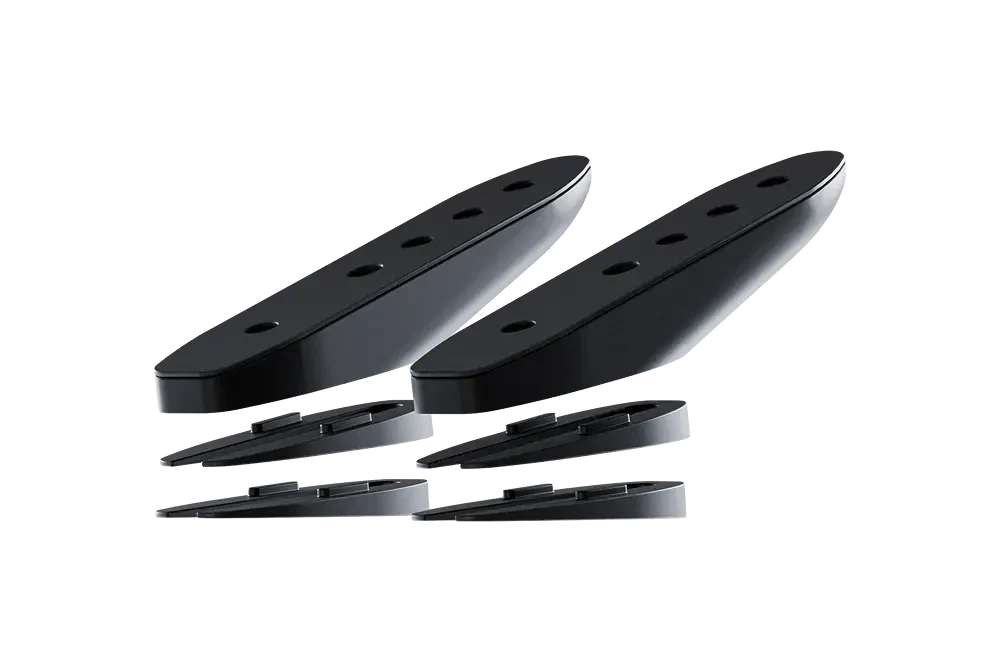
| Angle refinement | Wedges | Helps tune front-end angle so the position feels sustainable rather than forced. |
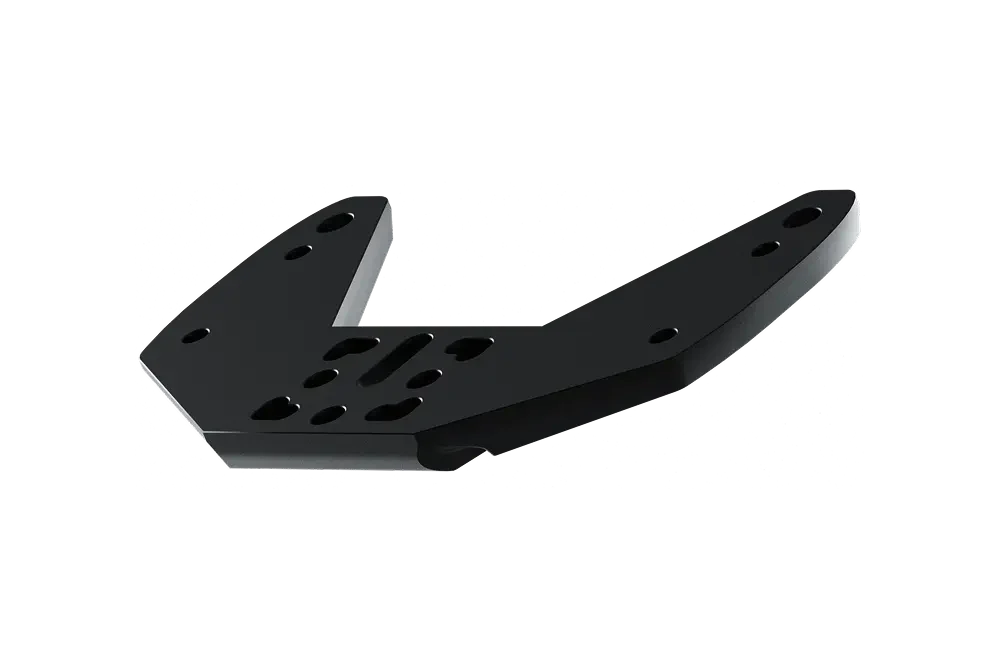
| Bike compatibility | Plates | Supports cleaner integration when the bike requires an adapter solution. |
| Pre-purchase checks | Compatibility guide | Reduces guesswork before ordering parts for a race build. |
If you are preparing a new setup, do not leave installation to the final week. Configure the position, ride it outside, test bottle access, check screw torque and rehearse your race nutrition before travel. Our Masamune configuration page and installation guide can help you work through the setup step by step.
Vancouver is a race destination where logistics matter. The venue is coastal, the schedule starts early and bike transport always adds friction. If you are flying in, build your travel plan around bike assembly, a short test ride and enough time to solve small problems without stress.
Arrive with a printed or saved checklist of cockpit measurements. Measure pad stack, reach, extension angle and bottle position before packing the bike. After rebuilding, compare those numbers before riding. A position that is only slightly different can feel fine for ten minutes and wrong after one hour.
The official information lists air temperature around 15 to 23 degrees Celsius and average water temperature around 14 to 18 degrees Celsius. That combination makes layering, warm-up clothing and swim preparation important. Pack for cool morning conditions, coastal wind and a race that may warm up as the day develops.

The best checklist is simple enough to use under pressure. By race week, you should not be redesigning your position. You should be confirming the position, checking equipment and rehearsing the actions that keep you calm.
For ongoing care before the race, our triathlon aerobars maintenance guide covers the kind of checks that keep a cockpit quiet, safe and reliable.
The most common mistake is arriving with an aggressive position that only works indoors. Indoor aero time is useful, but Vancouver asks you to steer, descend, drink, climb and react to coastal conditions. If the setup is too low, too narrow or too tense, you will sit up repeatedly. That is not aero.
The second mistake is ignoring the run while optimising the bike. The fastest bike split is not always the best race split. The right front end should help you ride quickly while protecting your hips and breathing for the final 18 km. Our aerobar position guide explains why fit variables matter more than chasing an aggressive silhouette.
The third mistake is leaving compatibility checks too late. If you need plates, wedges or accessories, confirm the setup early. Use the compatibility guide, then test everything in real conditions. Race week should be about confidence, not guesswork.
The fourth mistake is treating this race as only a travel experience. The location is beautiful, but the 100 km format is still demanding. Respect the distance, respect the early start and make your equipment simple enough that you can focus on racing.
If you have raced or are considering London T100, Vancouver has a different feel. London is more urban and flat in character, while Vancouver brings coastal scenery, cool water and a bike leg with more rhythm changes. That does not make one easier than the other. It changes the way you prepare.
For Vancouver T100 2026, the bike setup needs to be aerodynamic without feeling locked. You want speed on open coastal sections, but you also want confidence when the route climbs, descends and turns back toward the beach. That balance is exactly why we keep returning to the same principle: comfort and aerodynamics have to work together.
If you are still deciding how far to upgrade your front end, start with our best triathlon aerobars guide. It explains how to think about fit, comfort and speed before choosing between a complete system, a more adjustable setup or supporting accessories.
The race weekend is scheduled for 15 and 16 August 2026. The 100 km triathlon is listed for Sunday 16 August with a 6:30 AM start, although official start times can change closer to the event.
The 100 km format is a 2 km swim, 80 km bike and 18 km run. This is the key race distance for athletes targeting the full T100 experience.
The official participant information lists the swim start by Locarno Beach, near Jericho Sailing Centre. Athletes should still verify the final athlete guide before travelling.
Yes. The official event information states that the 100 km triathlon is a qualifier for the Qatar T100 World Championships 2026, with top age-group athletes eligible under the published rules.
Prioritise a position you can hold for the full 80 km bike leg. Focus on elbow support, wrist angle, hydration access, computer visibility and relaxed steering. A fast setup is only fast when you can stay in it.

GETTING YOU FASTER
Configure your Masamune