


How to race IRONMAN Copenhagen 2026


IRONMAN Copenhagen 2026 is one of the most complete full-distance races in Europe: calm bay water, a rolling 180 km bike course through North Zealand, and a capital-city marathon that finishes in front of Christiansborg Palace. For athletes who want to arrive prepared, the key is not only fitness. It is the ability to hold an efficient position, drink without breaking rhythm, and keep control when the wind, crowds, and fatigue start to accumulate.
At Tetsuo, we look at Copenhagen through the cockpit. A fast full-distance race rewards the athlete who can stay aero without tension, manage nutrition from the front end, and keep the upper body quiet for hours. This guide covers the course, race-week logistics, weather expectations, pacing, setup choices, and the small details that make a long day easier to execute.
| Key detail | What to know |
|---|---|
| Date | Sunday, August 16, 2026 |
| Location | Copenhagen, Denmark |
| Format | Full-distance triathlon |
| Swim | 3.8 km in the bay at Amager Beach |
| Bike | 180 km rolling route through the city, coast, forests, and North Zealand |
| Run | 42.2 km through Copenhagen with a landmark finish at Christiansborg Palace |
| Typical race focus | Sustained aerodynamics, stable hydration, and controlled power |
IRONMAN Copenhagen 2026 is scheduled for Sunday, August 16, 2026 in Copenhagen, Denmark. The event is already marked by strong demand, with general entry listed as sold out on the official race registration page. That tells you something important about the race: athletes choose Copenhagen because it combines a serious full-distance challenge with easy travel, urban support, and a course that can be fast when you respect the pacing.
The race still demands discipline. A friendly swim and a fast-feeling course do not mean an easy Ironman. The bike leg is long enough for poor positioning, rushed nutrition, and repeated power spikes to show up later in the marathon. The better approach is simple: prepare a setup that allows you to ride calmly, stay in position, and save decision-making for the moments that matter.

Copenhagen rewards athletes who combine patience with speed. The swim starts in sheltered water, the bike moves through North Zealand, and the run brings the energy back into the city. The defining challenge is rhythm, not extreme climbing.
The official race description presents the swim as a bay swim in the calm waters of Amager Beach lagoon. That is positive for first-time full-distance athletes, but calm water does not remove the need for execution. Rolling starts, bridges, spectators, buoys, and the early intensity of race morning can make the first minutes feel crowded. The goal is to avoid burning matches before the bike has even started.
Use the swim to create control rather than urgency. Check the course layout during race week and prepare your transition routine with precision. A relaxed start can put you on the bike with better breathing and calmer shoulders.

The bike course is the decisive section for many athletes. The official course overview describes a two-loop 180 km route from Copenhagen through North Zealand, mixing city sections, coastline, forests, countryside, and spectator hot spots. This profile makes the cockpit extremely important because the most valuable position is not the lowest one you can hold for ten minutes. It is the fastest position you can hold while eating, drinking, steering, and breathing normally for the whole ride.
North Zealand can create a rhythm that feels easier than it is. Rolling terrain encourages athletes to push a little too hard over crests, chase speed on faster sections, and ignore hydration until the course becomes busier. A well prepared front end helps you avoid that pattern. Forearms should feel supported, wrists should fall naturally into the grips, and hydration should be reachable without lifting the torso.
The run is part of what makes Copenhagen special. Athletes pass landmarks such as the Opera House, Amalienborg Palace, Nyhavn, and The Little Mermaid before finishing near Christiansborg Palace. That atmosphere can lift the marathon, but it can also trick tired athletes into starting too fast. Your first job off the bike is not to celebrate the crowd. It is to re-establish posture, breathing, and cadence.

The official race page lists average conditions around 22 °C high air temperature, 12 °C low air temperature, and 19 °C average water temperature. Those numbers point to a race that can feel mild compared with hotter summer events, but the real race-day experience will still depend on wind, rain, sun exposure, and how long you spend on the course.
For the bike, wind is the condition to respect. A route that mixes coastal stretches, open countryside, and city entry points can change how stable the front end feels. The best setup is one you can control from the forearms, with relaxed shoulders and a grip position that does not force constant correction. If your aero position only works indoors, it is not ready for Copenhagen.
The Copenhagen bike leg should be ridden with a narrow power range and a clear nutrition schedule. The goal is to avoid turning a fast course into a spiky one. On rolling roads, ride the climb before the climb. That means reducing pressure before the gradient bites, keeping cadence under control, and not chasing every athlete who comes past early in the loop.
Use the first hour to build rhythm. Stay patient leaving the city and wait for the course to open before judging speed. If the wind changes, keep the torso quiet and the elbows stable.
In our cockpit language, support beats aggression. Copenhagen rewards the athlete who can stay low enough to be efficient and open enough to breathe.
Aerodynamics in a full Ironman are not only about drag. They are about how long you can keep the position without losing control. If you sit up repeatedly to drink, stretch, check the computer, or release hand pressure, the theoretical gain disappears. This is why we build the front end around repeatability.
The practical test is simple. You should be able to ride in aero, take a drink, glance at your computer, relax your grip, and return to the same posture without a reset. If that sequence feels awkward in training, it will become expensive in Copenhagen. Before race week, repeat it during long steady rides, not only in short intervals.
We recommend thinking in three layers. First, support the body with pads and elbow position. Second, tune wrist angle and reach so the hands sit naturally. Third, place hydration and the computer where they can be used without breaking the silhouette. When those layers work together, speed becomes easier to sustain.

Your cockpit should be built before the taper, not during race week. Copenhagen travel, check-in, and course familiarisation already create enough decisions. Use the final weeks to verify your setup rather than redesign it.
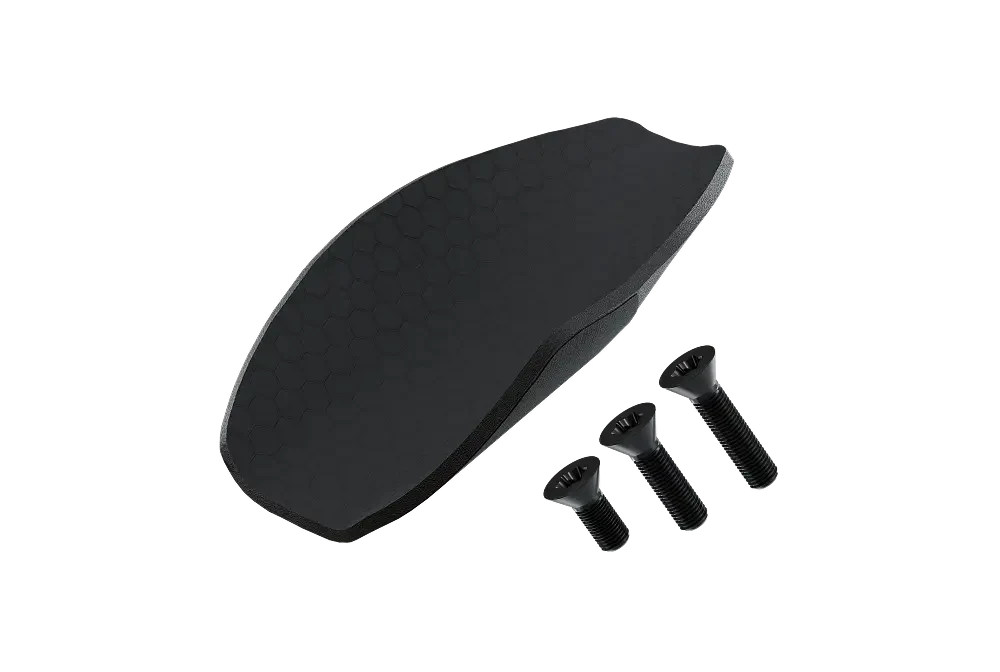
Pad support is the base of the position. If pressure builds on a small area, the body will move to escape it. That movement becomes sitting up, changing grip, dropping the head, or rotating the shoulders. Products such as Masamune and TAO X3 are designed around comfort and a more aerodynamic race position, with carbon construction and cushioned support built for long-distance use.
Elbow width should allow breathing and control. Too wide can increase frontal area. Too narrow can close the chest and make steering tense. The right answer depends on the athlete, which is why measurement and repetition matter. Our triathlon aerobar measurements guide is a useful internal reference before finalising race setup.
Reach affects shoulder load and how easily the hands settle into the extensions. If reach is too long, the athlete often locks the upper body. If it is too short, breathing and head position can feel compressed. Wrist angle is just as important because the hands should rest without forcing the forearms to rotate.
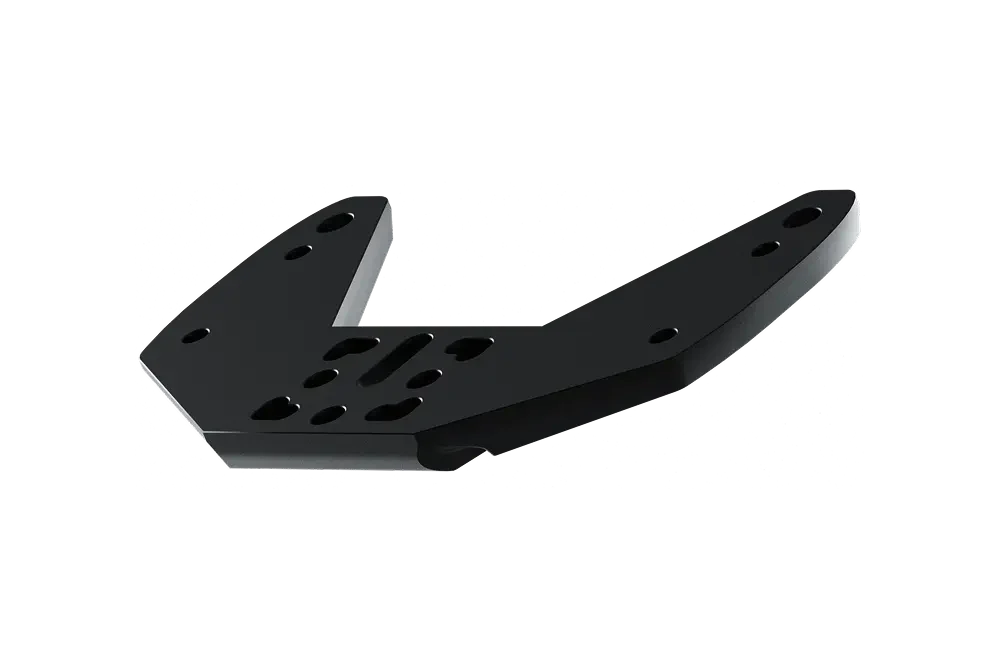
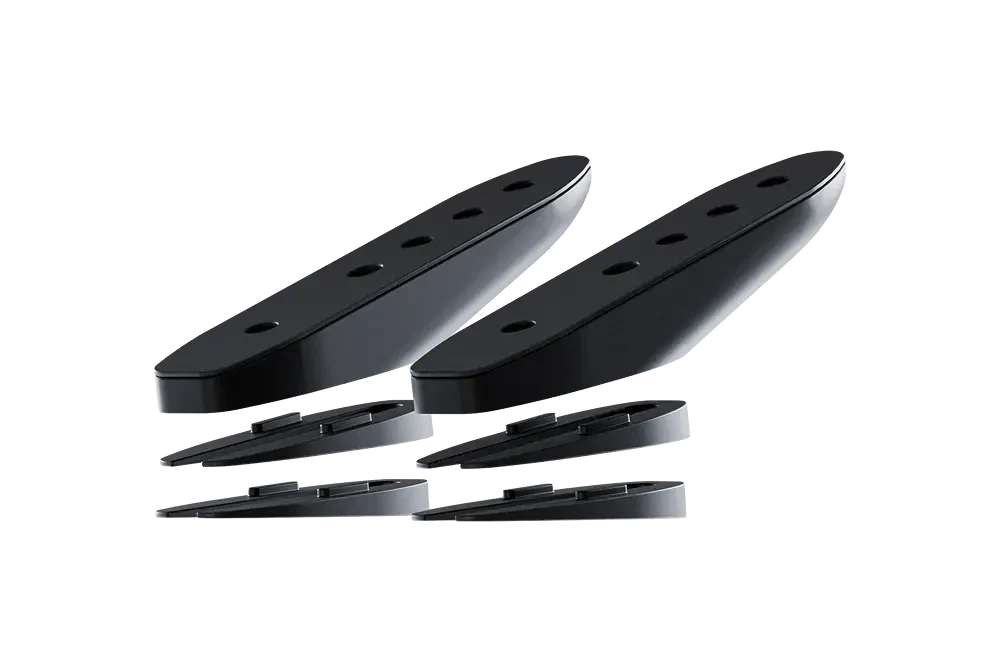
For athletes who need to refine tilt and reach, K Wedges and the K / Z Wedge Adaptor give structured adjustment options. The purpose is not to copy an aggressive photo. The purpose is to find a race-day angle that keeps the body calm from kilometre 20 to kilometre 180.
Hydration should sit where the athlete can drink without sitting up. A between-arms bottle position often works well for long-course racing because it keeps the movement small and repeatable. The Bottle holder includes adjustable angle, while the Bottle holder bar is built to attach one to three bottles and integrate with the Tetsuo cockpit system.
Computer visibility is another small detail with a large race-day effect. If you need to lift the head or move the hands every time you check power, pacing becomes less smooth. The Garmin/Wahoo Holder keeps the display positioned for cleaner monitoring from the aero position.
There is no single cockpit for every athlete. The right setup depends on experience, flexibility, compatibility, and the adjustment range of the current bike.
| Athlete profile | Main need | Tetsuo focus |
|---|---|---|
| First full-distance athlete | Comfort, confidence, and predictable access to hydration | TAO X3, Bottle holder, and measured pad position |
| Experienced age-grouper | Sustained aero position and cleaner nutrition routine | Masamune, K Wedges, and computer integration |
| PR-focused athlete | Fine adjustment, repeatable posture, and stable front-end control | Masamune with cockpit measurements, hydration angle testing, and race-specific long rides |
| Travelling athlete | Reliable rebuild after transport and simple pre-race checks | Repeatable bolt positions, documented measurements, and the installation guide |
Copenhagen is one of the easier major race cities for international athletes, but easy logistics do not mean you can improvise. Bike transport, hotel location, check-in timing, nutrition shopping, and pre-race mobility should be planned before arrival. For 2026, athletes should always follow the latest official athlete guide and race-week updates.
Bring a setup sheet for your cockpit. Record pad stack, reach, elbow width, bottle angle, computer mount position, and bolt torque values before packing the bike. After travel, rebuild the front end calmly and test it outside. A short ride is not about fitness. It is about confirming that the position feels exactly like training.
The best area depends on whether you prioritise swim access, finish-line access, or a quiet base. Choose a location that lets you sleep, eat predictably, and reach race-week points without complicated transfers.
Support crews should plan their day as carefully as athletes. Copenhagen is spectator-friendly, but race-day closures can change normal movement. Choose a few viewing points rather than chasing every section.
For athletes, the main rule is to reduce walking. Race-week tourism is tempting in Copenhagen, but long city walks can create unnecessary fatigue. Save the bigger sightseeing for after the race and keep the days before the start simple.

The final week should feel controlled, not experimental. Keep meals familiar and check where you can buy the specific items you use before race morning.
Training in Copenhagen should only confirm readiness. A short swim can help with sighting. A short bike should confirm shifting, braking, cockpit stability, and hydration access. Nothing in race week should be designed to prove fitness.
The first mistake is overbiking a course that feels fast. Copenhagen can reward speed, but only when the effort is controlled. Athletes who chase early time often give it back on the run. Ride your plan, not the mood of the group around you.
The second mistake is changing cockpit setup too late. A new tilt, new pads, a new bottle position, or a new computer mount can feel fine during a 20-minute test and still fail during a five-hour ride. Any meaningful adjustment should be validated during long sessions before travel.
The third mistake is treating comfort as secondary to aerodynamics. In a full-distance race, comfort keeps the position usable. If the body needs to escape the setup every few minutes, the setup is not fast enough.
The fourth mistake is poor rebuild documentation. Travelling with a triathlon bike often means removing or adjusting parts of the cockpit. Without measurements and photos, athletes can lose the position they trained in. Before packing, document everything.
Yes, Copenhagen is a strong option for a first full-distance race, especially for athletes who want a calm-water swim, good spectator support, and a city that works well for travel. The official race page presents it as suitable for first-timers and PR chasers, which matches the profile of the course.
That said, first-time athletes should not mistake accessible for easy. The distance remains the distance. A beginner-friendly swim does not protect you from poor fuelling, an unstable aero position, or an impatient first half of the bike. The best first-timer strategy is conservative: ride steady, drink early, keep the upper body relaxed, and give yourself a marathon you can manage.
If it is your first Ironman, build your cockpit around security and repeatability. The goal is to finish the bike feeling like you have executed, not survived. For more general cockpit selection, our guide on how to choose the best triathlon aerobars gives a broader framework for matching setup to race distance and experience.
For this race, we would start with the athlete rather than the product. Can the athlete breathe in position. Can they drink without sitting up. Can they see the computer. Can they steer through wind and traffic from the forearms. Can they repeat the posture after four hours. These questions matter more than how aggressive the bike looks on a stand.
Once the position is defined, we would build around three race-day priorities. The first is support, using pads and armrests that reduce pressure and keep the shoulders quiet. The second is adjustment, using measured reach and tilt rather than guesswork. The third is integration, placing hydration and electronics where they help execution rather than interrupt it.
To go deeper before selecting components, read our 2026 triathlon aerobars guide and compare it with race-specific examples such as Ironman Austria and Ironman Vitoria-Gasteiz. The core principle is the same: the fastest setup is the one you can hold when the race gets hard.
IRONMAN Copenhagen 2026 is scheduled for Sunday, August 16, 2026 in Copenhagen, Denmark. Athletes should confirm all final check-in times, briefing details, and race-week requirements through the official athlete guide when it is published.
The bike course is best described as rolling rather than mountainous. The official overview presents a two-loop 180 km route through Copenhagen and North Zealand with city, coast, forest, and countryside sections. The key challenge is sustaining position, power, and fuelling across changing terrain.
The best cockpit setup is stable, comfortable, and easy to use for hydration and pacing. We would prioritise pad support, measured reach, wrist angle, bottle access, and computer visibility. Products such as Masamune, TAO X3, K Wedges, the Bottle holder, and the Garmin/Wahoo Holder can help build that system when matched correctly to the athlete.
Yes, it can be. The calm-water swim, strong city support, and accessible logistics make it attractive for first-time Ironman athletes. The preparation still needs to be serious because the full distance punishes poor pacing, untested nutrition, and unstable aero positions.

GETTING YOU FASTER
Configure your Masamune